
Finding the right athletic band for your smartwatch can transform your daily training regimen, ensuring your device stays securely fastened while you push through intense cardio, heavy lifting, or long-distance endurance runs. With countless designs saturating the market in 2026, navigating your choices requires looking past flashy marketing claims and focusing on core functional elements. Whether you are upgrading from a standard stock strap or replacing a worn-out daily driver, understanding how different materials and closure systems perform under stress will save you from frustration and discomfort.
- Understanding Watch Case Compatibility and Lug Sizes
- Material Matters: Silicone versus Woven Nylon and Performance Loops
- Sweat, Moisture Management, and Skin Irritation Prevention
- Secure Closure Mechanisms for High-Impact Training
- Balancing Breathability with Long-Term Durability
- Common Band Buying Mistakes to Avoid
- When It Makes Sense to Upgrade to Premium Options
- Related Guides
- FAQ
- Related Guides
This decision guide breaks down the essential factors you need to evaluate before purchasing a new fitness strap. From wrist sizing and lug compatibility to moisture management and mechanical security, we will explore what truly matters when selecting an accessory designed to keep pace with your active lifestyle. By prioritizing performance over pure aesthetics, you can invest in a reliable piece of gear that enhances your workout tracking without compromising comfort.
As an Amazon Associate we earn from qualifying purchases at no extra cost to you.
Understanding Watch Case Compatibility and Lug Sizes
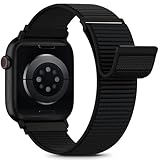
The single most critical step in selecting a new athletic strap is verifying precise hardware compatibility with your specific smartwatch case. Apple designs its hardware across multiple generations with varying millimeter dimensions, meaning a strap built for smaller legacy editions will not physically lock securely into larger modern chassis housings. Always verify your exact millimeter size—typically found engraved on the rear ceramic or sapphire crystal casing of your device—before browsing options. Mismatched lugs can result in loose connections, causing the watch body to slide, disconnect mid-stride, or detach completely during vigorous movements like sprinting or burpees.
Material Matters: Silicone versus Woven Nylon and Performance Loops
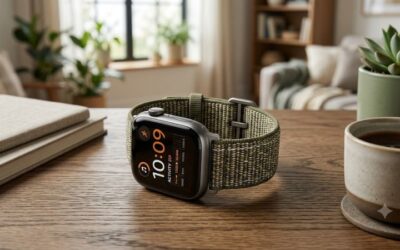
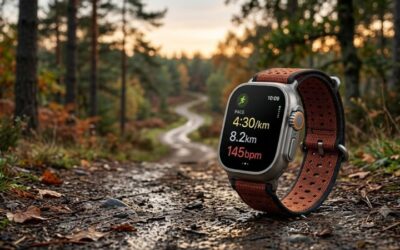
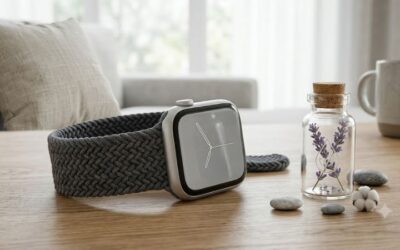
Different physical activities demand distinct material properties to maintain optimal performance and skin comfort. High-grade fluoroelastomer and medical-grade silicone excel in aquatic environments, heavy sweat sessions, and mud runs because they repel moisture entirely and wash clean with simple water rinse. Conversely, woven nylon and hook-and-loop athletic loops offer superior micro-adjustability and breathability, making them ideal for long indoor cycling classes or weightlifting where trapping heat against the wrist causes irritation. Choosing the right substance depends heavily on your primary workout environment and personal tactile preferences.
Sweat, Moisture Management, and Skin Irritation Prevention
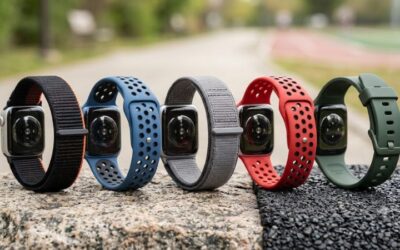
Intense physical exertion generates significant perspiration, which frequently becomes trapped underneath non-porous bands, leading to chafing, contact dermatitis, or unpleasant odors. To mitigate skin irritation, look for straps featuring internal ventilation channels, perforated hole patterns, or hydrophilic weaves designed to wick moisture away from the epidermis rapidly. Regularly removing your watch post-workout to wash both your wrist and the accessory with mild soap prevents bacteria buildup and maintains healthy skin integrity, ensuring you can train daily without experiencing rashes or allergic reactions from low-grade metals or cheap synthetic dyes.
Secure Closure Mechanisms for High-Impact Training
The type of fastener keeping your hardware attached during intense motion is just as important as the strap material itself. Traditional pin-and-tuck designs offer absolute security by locking the tail end firmly inside the band, preventing accidental snips or snags from tearing the watch away during contact sports or functional fitness classes. Magnetic and hook-and-loop closures provide infinite adjustability for finding that precise tension sweet spot, but lower-quality versions can loosen under heavy pulling forces or rope climbs. Evaluate your typical routine intensity and select a locking mechanism that provides robust retention under maximum physical load.
Balancing Breathability with Long-Term Durability
A common pitfall when purchasing fitness accessories is sacrificing structural longevity for immediate comfort. Ultra-thin, highly perforated straps feel exceptionally light during initial wear, but they may tear easily around the lug attachment points after months of daily tension and sweat exposure. Look for reinforced stitching on fabric options or high tensile tear strength ratings on elastomeric models. A well-constructed fitness strap should endure countless sweat cycles, daily stretching, and environmental exposure without stretching out permanently, losing its elasticity, or showing premature fraying.
Common Band Buying Mistakes to Avoid
Many buyers make the mistake of purchasing cheap multi-packs online without checking the pin material quality; aluminum or cheap alloy pins can wear down the stainless steel insertion tracks inside your watch housing over time, resulting in a loose, wobbly fit. Another frequent error is ignoring seasonal wrist size fluctuations. Your wrists naturally swell slightly during hot summer runs or heavy weight training sessions, so a strap that fits snugly in a cold gym might feel restrictively tight outdoors. Opt for designs with micro-adjustments or slight stretch capacity to accommodate these natural physiological changes comfortably.
When It Makes Sense to Upgrade to Premium Options
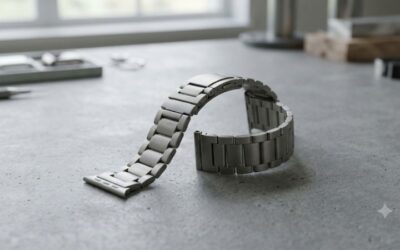
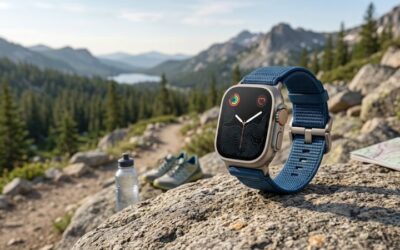
While inexpensive third-party bands can suffice for casual weekend wear, investing in higher-end fitness straps often yields tangible dividends in daily reliability and skin health. Premium manufacturers utilize superior hypoallergenic elastomers, corrosion-resistant titanium hardware, and advanced weaving techniques that resist fraying and fading far longer than bargain alternatives. If you train multiple times a week, experience chronic skin sensitivities, or require absolute hardware security during extreme outdoor adventures, paying extra for engineering precision and verified durability is well worth the investment.
Related Guides
To further refine your setup, explore our comprehensive resource collections. For a broad look at top market choices, read our guide on the Best apple watch workout band: ultimate top fitness options. If you prefer breathable textiles for daily wear, check out the Best apple watch nylon band options for superior style. For rugged, high-end durability on outdoor trails, review our insights on the Best titanium apple watch band: Ultimate Perfect Choices.
FAQ
How do I know which band size fits my Apple Watch model?
You can determine your correct size by checking the millimeter measurement printed on the back of your watch case. Matching your device’s specific mm specification ensures the metal lugs lock securely into the internal housing tracks without slipping.
Are silicone bands better than nylon for heavy sweating?
Silicone and fluoroelastomer bands are generally superior for heavy sweating and swimming because they do not absorb moisture and can be wiped clean instantly. Nylon loops breathe better during dry indoor workouts, but they require drying time after heavy perspiration.
Can third-party bands damage my Apple Watch?
Poorly manufactured third-party bands with improperly machined metal lugs can wear down the internal release buttons and locking tracks inside your watch case. Always purchase from reputable brands that test their hardware tolerances carefully.
How often should I clean my workout band?
You should rinse your fitness strap with fresh water after every heavy workout to remove salt, sweat, and oils. Deep cleaning with mild soap and warm water once a week prevents odor buildup and protects your skin from irritation.


Write Your Review
No reviews yet. Be the first to share your experience!