


Limited Time
Apple Pencil for iPad (1st Generation) Bluetooth and Lightning connector -White (Renewed)
Apple Pencil Usb C represents Apple’s attempt to bring a highly affordable digital stylus to the modern tablet market, balancing entry-level pricing with essential sketching functionality. In this honest review, we put this budget accessory through its paces to determine if it truly delivers a high-quality writing experience. Read on to find out if this simplified stylus is worth buying in 2026 or if you should invest in a more premium option.
Quick Overview and Compatibility of the Apple Pencil USB-C
Selecting the right digital writing instrument requires a clear understanding of where each model sits within Apple’s expanding accessory ecosystem. By introducing the Apple Pencil USB-C with a universal charging port, Apple aimed to capture students, casual note-takers, and budget-conscious professionals who wanted first-party reliability without the premium price tag. Let us take a closer look at how this device positions itself in today’s landscape.
As an Amazon Associate we earn from qualifying purchases at no extra cost to you.


How It Fits Into the Apple Stylus Ecosystem
When examining the lineup of first-party input devices, the Apple Pencil USB-C occupies a unique position. It serves as a modern replacement for the aging first-generation model while stripping away some of the premium features found on the second-generation and Pro models. This strategic placement allows buyers to access legendary pixel-perfect precision and low latency without having to spend over $100 on an accessory they might only use for basic navigation.
The decision to offer a stripped-down stylus reflects a broader push by Apple to make its entry-level hardware more appealing to educational institutions and corporate deployment. By standardizing the input experience and utilizing a common charging standard, they created a reliable companion device that works across a broad selection of tablets. If you want an honest review of the Apple Pencil USB-C, you must look at how it bridges the gap between different generations of Apple hardware, retaining a sleek matte finish while cutting back on premium internal components.
Design, Portability, and Sliding Cap Mechanics
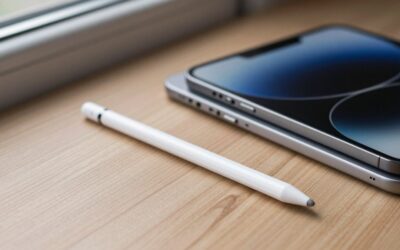
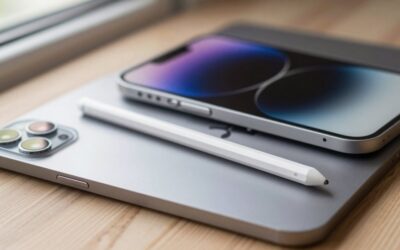
The physical design of the Apple Pencil USB-C is heavily inspired by the second-generation model, featuring a flat edge that prevents it from rolling off flat desks. This flat side also allows the pencil to magnetically attach to the side of compatible tablets, making storage and transport incredibly convenient. However, unlike modern accessories that work with MagSafe to align magnetically and transfer power, this stylus only attaches physically and does not facilitate wireless charging.
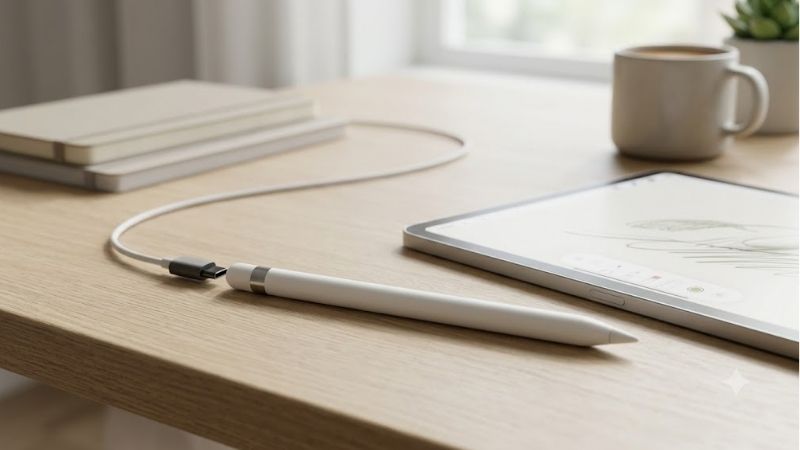
To charge the Apple Pencil USB-C, Apple implemented a unique sliding cap at the top of the stylus, which conceals a female USB-C port. This mechanical slide-out mechanism feels remarkably solid and satisfying to operate, protecting the charging port from dust and debris without the risk of losing a removable cap. In terms of portability, the stylus features a highly functional slim profile that feels balanced and lightweight in active use, fitting easily into standard pencil loops. Unlike buying heavy-duty protection cases from brands like vs Spigen or vs OtterBox where thick materials can sometimes interfere with accessories, this pencil’s clean lines ensure it remains fully compatible with a wide array of third-party cases.
iPad Pro M4 and Other Compatible Models
One of the strongest selling points of the Apple Pencil USB-C is its broad hardware compatibility across multiple generations of modern tablets. It pairs seamlessly with budget models like the iPad 10th Gen, mid-range options like the iPad Air, and even the ultra-premium iPad Pro M4 series. This extensive coverage makes it a highly versatile accessory, especially for households or offices that utilize a mix of different tablet models.
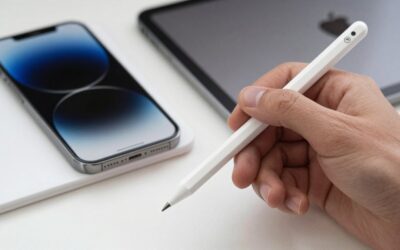
While it is not compatible with iPhone 17 or any other smartphone, it is perfect for users who want a simple stylus across their tablet ecosystem. Just as we do not expect stylus inputs on a flagship smartphone like the iPhone 17 Pro Max, Apple limits this accessory strictly to its modern USB-C tablet lineup. For those seeking a cross-device writing companion, this specific compatibility matrix is an essential consideration before making a final purchase.
See today’s deal on Amazon →
Key Features and Real User Experience Analysis
Analyzing the daily performance of an accessory requires looking past the spec sheet and exploring how its technical limitations translate into real-world workflows. While the Apple Pencil USB-C is smooth and precise, several key hardware omissions dramatically shape how this stylus feels in everyday practice. For students, digital artists, and office workers, these missing features can either be a minor inconvenience or a total dealbreaker depending on the nature of their work. Let us examine the technical trade-offs of this device.
The Missing Pressure Sensitivity Bottleneck
The most significant limitation of the Apple Pencil USB-C is the complete lack of pressure sensitivity. Unlike every other stylus in Apple’s current lineup, this model cannot detect how hard you are pressing against the screen. For digital illustrators and calligraphers, this omission is a massive bottleneck, as they cannot vary line thickness or brush opacity naturally through physical pressure alone.
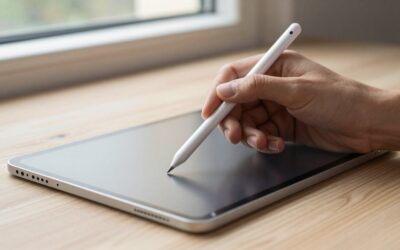
However, for users whose primary tasks involve writing notes, highlighting textbook passages, or navigating the user interface, the lack of pressure sensitivity is practically unnoticeable. When typing documents or organizing notes, the stylus maintains the exact same low-latency and pixel-perfect precision as the top-tier models. This highlights the importance of understanding your personal needs and matching them to the specific capabilities of this budget-friendly hardware.
Hover Functionality and Tilt Sensitivity Specs
Despite the missing pressure sensors, Apple did include tilt sensitivity in the Apple Pencil USB-C. This feature allows the stylus to detect the angle at which you are holding it relative to the screen, enabling natural shading when using pencil brushes in sketching apps. It provides a surprisingly realistic drawing experience for casual sketching, allowing users to mimic traditional graphite techniques with remarkable accuracy.
Additionally, when paired with compatible tablets like the iPad Pro M4, this stylus supports Apple Pencil hover. This feature detects the tip of the stylus just above the glass screen, showing a virtual preview of your brush mark or cursor location before you actually make physical contact. Hover makes digital navigation much more intuitive, letting users preview tools, highlight interface elements, and interact with web pages with greater precision.
USB-C Wired Charging vs Anker Charger Alternatives
Charging is another area where the Apple Pencil USB-C diverges significantly from premium models. Because it cannot charge magnetically on the side of your tablet, you must plug a physical cable into the hidden port beneath the sliding cap. While this wired solution is less elegant than wireless charging, it ensures that your stylus can be topped off using any standard charger you have on hand.
This manual charging method makes the Apple Pencil USB-C highly flexible in terms of power sources. When comparing the stock Apple charging brick vs Anker or vs Belkin fast chargers, you will find plenty of reliable ways to keep your workspace energized without cluttering your desk. Unlike third-party cables that must be MFi certified to work safely with your tablet, standard USB-C solutions remain highly practical. Since this pencil is not qi2 compatible or built for magnetic power pads, traditional wired charging remains the only way to power the device.
Check the latest price on Amazon →
Synthesized Real-World Performance and Buying Recommendation
Determining whether the Apple Pencil USB-C is the right choice for your workflow involves weighing its unique strengths against its noticeable compromises. Real-world feedback from a wide array of users reveals that while the hardware is incredibly durable and reliable, its overall utility depends heavily on the tasks you perform daily. By analyzing these diverse user perspectives alongside technical performance metrics, we can form a clear, comprehensive recommendation for prospective buyers.
Pros & Cons of the Apple Pencil USB-C
To help clarify your purchasing decision, we have compiled an objective breakdown of the absolute strengths and weaknesses of the Apple Pencil USB-C based on our intensive detailed research. This summary highlights how its competitive pricing and robust physical design compare against its functional omissions. While it excels as a simple productivity tool, it will disappoint those looking for a complete creative solution.
Weighing these factors reveals that the device functions best when treated as a high-precision navigation and note-taking tool rather than a professional art instrument. Here is our synthesized breakdown of the core pros and cons of this digital stylus:
✅ Pros:
- Highly competitive entry price of $79 for a first-party Apple accessory.
- Excellent build quality with a satisfying sliding cap design.
- Full support for tilt sensitivity and hover features on compatible iPads.
- Magnetic attachment to the side of the iPad for easy transport.
❌ Cons:
- Complete lack of pressure sensitivity limits its usefulness for digital artists.
- No wireless pairing or wireless charging capability.
- Lacks double-tap shortcut gestures to switch tools quickly.
- Requires a physical cable to charge, which is less convenient than magnetic charging.
Who Should Buy This Budget Stylus
This budget-friendly input tool is an absolute must-have option for students, educators, and office workers who primarily use their tablets for productivity and organization. If you find yourself constantly typing up documents on a MacBook Air M3, and want a simple stylus to sign digital contracts or highlight PDF textbooks on your tablet, this model is an ideal, cost-effective solution. Its low entry price makes it far more accessible than premium alternatives, especially for educational institutions looking to deploy accessories at scale.
If you are wondering should you buy the Apple Pencil USB-C for general work, the answer is a resounding yes. While third-party options exist, they often lack the seamless system integration, low latency, and tilt sensitivity that Apple provides. Choosing this model is a highly pragmatic financial decision that secures genuine Apple reliability without forcing you to pay for expensive features you may never use.
Who Should Skip and Choose Newer Models
While the Apple Pencil USB-C is a fantastic value for general productivity, it is completely unsuitable for professional digital illustrators, serious hobbyist artists, or calligraphers. If your work relies on nuanced line weight variations and fluid, pressure-based brush control, you should absolutely skip this model. Investing in the second-generation model or the advanced Pro models is essential to unlock your full creative potential on a tablet.
Additionally, users who want a highly customizable shortcut experience will find this model too barebones. The lack of double-tap gestures to switch between the pen and eraser tools can slow down fast-paced drafting and note-taking workflows. If your daily tasks demand these premium quality-of-life features, spending extra for a more advanced stylus is well worth the investment in the long run.
Conclusion
Deciding if the Apple Pencil USB-C is worth buying in 2026 ultimately depends on how you plan to use your tablet. While it lacks the advanced pressure sensitivity and wireless charging of premium models, its sharp precision, robust sliding cap design, and lower price point make it an outstanding choice for basic note-taking, sketching, and daily navigation. By choosing this reliable first-party accessory, you can enjoy a flawless writing experience on your iPad without the heavy price tag of high-end alternatives.
See today’s deal on Amazon →
Frequently Asked Questions
Does the Apple Pencil USB-C have pressure sensitivity?
No, and this is the single most important limitation. It supports tilt for shading and low latency for writing, but it cannot vary line weight with how hard you press. For handwriting, annotation, diagramming and general navigation this is fine. For illustration and painting in Procreate, the lack of pressure makes the 2nd generation or Pro model far better.
Which iPads work with it?
It works with every iPad that has a USB-C port, which is the broadest compatibility of any Apple Pencil. That includes recent iPad Pro, iPad Air, iPad mini and base iPad models. It does not work with Lightning-port iPads such as the iPad 9th generation, which need the 1st generation Pencil instead.
How does it charge and pair?
It attaches magnetically to the side of compatible iPads for storage and pairing, but that magnetic connection does not charge it. To charge you slide the cap back to expose a female USB-C port and connect any USB-C cable. That design means you can top it up from a Mac, an iPad or a power bank.
Does it support hover and double-tap?
It supports hover previews on iPad Pro models with the M2 chip or newer, showing where your stroke will land before the tip touches glass. It does not support the double-tap gesture to switch tools, and it has no squeeze or barrel-roll functions. Tool switching therefore has to be done through the on-screen toolbar in each app.
Is it worth the price over a third-party stylus?
Usually yes, because it uses Apple silicon-level palm rejection and near-instant pairing, and it receives firmware updates. Third-party styluses at similar prices often add tilt and even claimed pressure, but with variable latency and occasional disconnection. If you only need pressure sensitivity, however, saving toward the Apple Pencil 2nd generation is the better long-term purchase.


Write Your Review
No reviews yet. Be the first to share your experience!