
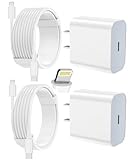
- Top Pick: iPhone Charger Fast Charging, USB C Charger Block, 6FT/10FT Lightning Cable
- Best Value: iPad Charger iPhone Fast Charger 12W USB Wall Charger Foldable Portable Travel Plug with USB Charging Modem 6FT Cables Compatible with iPhone,iPad,iPad mini,iPad Air 1/2/3,Airpod
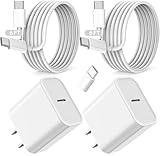
- Premium Choice: Fast iPad Charger,iPad Charger Fast Charging 2Pack Wall Chargers Plug Adapter Type C USB C to C Cable Cord 6ft for iPad Pro 12.9,iPad Pro 11/13inch(M4),iPad Air 5th/4th,iPad mini 6/7,iPad 10/11th(A16)
Choosing an iPad charger sounds simple until you see how many combinations of plugs, cables, wattages, ports, and connector types are available. A cheap charger may fit the wall but charge slowly; a powerful USB-C adapter may be unsuitable for an older iPad with a Lightning port. Some bundles also advertise “fast charging” without clearly stating the wattage or including the cable you actually need.
The biggest mistakes are buying by brand name alone, assuming every iPad uses USB-C, and paying for more power than the tablet can accept. Cable length, outlet placement, portability, safety certifications, and warranty support matter, too. This guide explains how to choose an iPad charger in 2026 without overbuying or ending up with an incompatible kit.
As an Amazon Associate we earn from qualifying purchases at no extra cost to you. Product prices and availability are accurate as of the date shown and are subject to change.


Decide These 3 Things First
- Identify the iPad’s charging port. iPad models released in recent generations generally use USB-C, while many older standard iPad, iPad Air, and iPad mini models use Lightning. The port on the tablet determines the cable connector that plugs into it.
- Choose the charging speed you need. A 12W charger is adequate for basic overnight charging, while a 20W USB-C charger is a practical minimum for faster everyday charging. Larger iPad Pro models may benefit from a 30W, 35W, or higher USB-C Power Delivery adapter.
- Decide whether you need a complete kit. A wall adapter alone is not enough unless you already own the correct cable. Check whether the package includes USB-C to USB-C, USB-C to Lightning, or USB-A to Lightning, and confirm the cable length.
Size and Portability
A charger’s physical size matters if you carry it between home, work, school, and travel. A basic single-port 20W adapter typically measures about 1.5 to 2.5 inches on its longest side and weighs roughly 1.5 to 3 ounces. That is small enough for a laptop bag or a small travel pouch.
Foldable-prong models can be especially convenient in crowded bags because the metal prongs tuck into the housing. A compact charger is also less likely to block a neighboring outlet, although dimensions vary substantially between designs. Before buying a multi-port adapter, check its width and height; a two- or three-port model may measure 2.5 to 4 inches across and weigh 4 to 8 ounces.
For a bedside table or permanent desk setup, portability is less important than cable reach. A 6-foot cable works well when the outlet is near a nightstand or desk. Choose 10 feet if you regularly charge from a floor-level outlet or use the iPad from a sofa or bed. Extra length is useful, but it also adds weight and creates more cable to coil.
Material and Heat Management
Most reliable chargers use a hard, flame-resistant plastic housing. Some premium models use a denser plastic shell with a matte finish, while others include a metal exterior. Aluminum can feel more substantial, but exterior material alone does not prove that a charger is safer or faster.
Look for clear statements about over-voltage, over-current, short-circuit, and over-temperature protection. Gallium nitride, or GaN, chargers are often smaller than older silicon-based designs at the same power rating because they can use more compact internal components. GaN is useful for portability, but it should not be treated as a guarantee of better charging performance.
Some warmth during charging is normal, particularly when the iPad battery is low or the adapter is delivering near its maximum output. Avoid using a charger that becomes painfully hot, smells like melting plastic, makes persistent buzzing sounds, or has a cracked case. Keep the adapter uncovered rather than placing it under bedding or clothing.
Construction and Cable Quality
The cable is often the first part of an iPad charging kit to fail. Examine the strain relief—the flexible section where the cable meets each connector. A longer, reinforced strain relief helps reduce sharp bending at this high-stress point. Braided nylon can resist surface abrasion, while a flexible rubber or silicone cable may be easier to coil.
For USB-C iPads, choose a USB-C to USB-C cable with connectors that fit firmly without excessive looseness. A 3- to 6-foot cable is sufficient for most desks; 10 feet is better for across-room charging. If you also want to transfer data, check the data specification. Some inexpensive USB-C cables are designed mainly for charging and may offer limited data speeds.
Older Lightning iPads require a cable with a Lightning connector at the tablet end. A USB-C to Lightning cable is the more useful choice when paired with a modern USB-C wall adapter. A USB-A to Lightning cable works with older USB-A chargers, but it is less flexible for future upgrades. Avoid bundles that list a cable length but do not identify the connector type or charging rating.
Charging Performance
Wattage describes the maximum power an adapter can provide; it does not mean the iPad will draw that amount continuously. The tablet negotiates the power it can use, and charging speed can slow as the battery approaches full capacity.
- 12W: Suitable for basic charging and many older iPads, especially overnight. It is usually a USB-A option and may be slower while the tablet is in use.
- 20W: A strong general-purpose choice for most USB-C iPads and a useful upgrade from older 5W or 12W adapters. It is also convenient for charging an iPhone with the appropriate cable.
- 30W to 35W: Better suited to larger iPad Pro models, multitasking while plugged in, and households that want extra headroom without carrying a laptop-class charger.
- 45W and above: Worth considering if the adapter will also charge a laptop, handheld gaming device, or multiple demanding devices. It is usually unnecessary if the charger is dedicated only to an iPad.
USB-C Power Delivery, commonly labeled USB PD, is the preferred standard for modern USB-C iPads. A charger with multiple ports may advertise 65W or 100W total output, but that power is divided when more than one device is connected. Read the per-port output rather than relying on the headline number.
Price Tiers
Budget iPad charger kits generally cost about $9 to $15. These may include a 12W wall adapter and a 6-foot cable, or a 20W adapter with one USB-C cable. They can be practical for a spare room or travel bag, but inspect the listing carefully for the connector type, safety information, and return policy. A low price is not a problem by itself; missing specifications are.
Midrange options usually cost $15 to $30. This tier commonly includes a 20W or 30W USB-C PD adapter, a 6-foot cable, stronger strain relief, and sometimes two chargers in one package. For example, a two-pack of 20W USB-C wall chargers with 6-foot USB-C cables may cost around $20.69, making it useful for separate home and office locations.
Premium chargers typically cost $30 to $70 or more, especially when they include multiple USB-C ports, GaN construction, higher output, or a longer warranty. Spend in this tier when you need to charge several devices, want a compact high-output adapter, or prefer stronger manufacturer support. Do not pay premium prices for a basic single-port 12W charger.
Warranty and Safety Support
Look for at least a 12-month limited warranty on the adapter. Two- or three-year coverage is more reassuring for a charger that will remain plugged in every day. Confirm whether the warranty covers only the wall block or also includes the cable, since cables are often excluded or covered separately.
The product description should identify the manufacturer, input range, output profiles, and protection features. For products sold in the United States, recognizable safety marks such as UL, ETL, or another applicable certification can provide more useful information than vague claims such as “premium quality.” Certification markings should appear on the product or its packaging, not only in promotional text.
Delivery and Setup
Before ordering, confirm that the kit includes every part shown in the title. Some listings sell a wall adapter only, while others include one or two cables. Check the promised delivery date, package quantity, return window, and whether the cable length is 3, 6, or 10 feet.
Setup should be straightforward: connect the cable to the adapter, plug the adapter directly into a wall outlet or a properly rated power strip, and then connect the iPad. For a first use, check that the connector seats fully and that the adapter remains only moderately warm. Do not force a USB-C or Lightning connector, and do not use a cable with exposed wires, bent contacts, or a loose plug.
Spec Checklist
| Spec | Budget | Mid | Premium |
|---|---|---|---|
| Typical price | $9–$15 | $15–$30 | $30–$70+ |
| Power output | 12W–20W | 20W–35W | 35W–100W total |
| Ports | 1 USB-A or USB-C | 1–2 USB-C or mixed ports | 2–4 ports, usually USB-C |
| Cable | 3–6 feet; verify connector | 6 feet; reinforced or braided | 6–10 feet; higher data or power rating |
| Best use | Overnight charging or backup | Everyday home and office charging | Multiple devices or travel |
| Warranty target | 12 months | 12–24 months | 24–36 months |
Red Flags
- The listing says “fast charging” but does not state wattage or USB PD support.
- The cable connector is not clearly identified as USB-C, USB-A, or Lightning.
- A multi-port charger advertises total wattage without explaining how power is divided.
- The product has no manufacturer information, safety details, warranty, or return policy.
- The adapter or cable becomes excessively hot, smells unusual, buzzes, or shows physical damage.
- The package promises compatibility with every iPad without distinguishing USB-C and Lightning models.
FAQ
What wattage charger should I buy for an iPad?
A 20W USB-C Power Delivery charger is the best general choice for many modern iPads. Choose 12W for basic overnight charging or a low-cost backup, and consider 30W to 35W for larger iPad Pro models or charging while using demanding apps.
Can I use an iPhone charger with an iPad?
Yes, provided the adapter and cable use compatible connectors and the charger comes from a reputable manufacturer. An iPhone charger may work, but a low-wattage model can charge an iPad slowly. Use USB-C to USB-C for a USB-C iPad or USB-C to Lightning for an older Lightning iPad.
Is a longer iPad cable better?
Only when you need the extra reach. A 6-foot cable suits most desks and nightstands, while a 10-foot cable is useful for floor-level outlets or sofa charging. Longer cables are heavier and easier to trip over, so choose the shortest length that reaches comfortably.
Do I need an Apple-branded charger?
No. A third-party charger can be a good choice if it clearly lists its wattage, USB PD support where appropriate, safety protections, connector type, and warranty. The most important match is between the iPad’s port, the cable, and the adapter’s output—not the logo on the housing.
Ready to decide? Our #1 pick for 2026 is the Typical price.
Live price & availability on Amazon.



Write Your Review
No reviews yet. Be the first to share your experience!