
- Top Pick: ROVSUN 25LBS Portable Washing Machine, Full-Automatic Electric Laundry Machine with Stainless Steel Drum, Compact Washer and Spin Dryer Combo with Drain Pump for Home, Apartment
- Best Value: Pataku Portable Washing Machine, 25.3 Lbs Compact Mini Washer and Dryer Combo,Twin Tub Laundry Washer with Spin Cycle, Soaking Function Ideal for Apartment, Dorms, RVs Camping, Grey
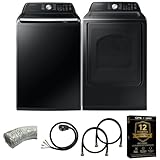
- Premium Choice: Samsung Smart 4.7 Cu Ft Top Load Washer & 7.4 Cu Ft Electric Dryer, Sensor Stops Overdrying, Low Vibration Quiet Wash, WaterJet w/Power Cords, Hoses, Vent Duct, 1 Year CPS Protection Bundle (Black)
The best affordable washer dryer for most small homes is a compact ventless combo if you lack hookups or floor space, while a separate HE washer and electric dryer is usually the better value if you can stack or place two machines side by side.
As an Amazon Associate we earn from qualifying purchases at no extra cost to you.



Quick picks by situation
| Best for | Recommended type | Typical capacity | Typical market price | Why it makes sense |
|---|---|---|---|---|
| One-person household or apartment | 24-inch ventless combo | 2.3–2.7 cu. ft. | $900–$1,400 | Smallest footprint and one loading operation |
| Couple with limited space | Compact stacked washer and dryer | 2.2–2.4 cu. ft. | $1,300–$2,000 | Faster drying and better separation of wash loads |
| Family needing one machine | Full-size heat-pump combo | 4.5–5.3 cu. ft. | $1,800–$2,800 | Large wash drum without a dedicated dryer vent |
| Family on the tightest budget | Full-size HE washer plus electric dryer | 4.5–5.0 cu. ft. | $1,100–$1,800 | Lowest cost per capacity when space and hookups permit |
Best affordable washer dryer options by drum capacity
Best under 3 cubic feet: a compact ventless combo
A 2.3–2.7-cu.-ft. all-in-one washer dryer is the most practical choice for a studio, condominium, or closet installation. Compact models from brands such as LG, Midea, and Equator commonly fit a 24-inch-wide opening and use a 120-volt outlet. Most are ventless condenser designs, so they do not need an exterior exhaust duct.
Expect roughly 12–20 gallons of water for a normal wash and about 1.5–2.5 kWh for a complete wash-and-dry cycle, depending on fabric, soil level, and dryness setting. The main compromise is time: a mixed load may take three to six hours because the same drum must wash, rinse, and dry sequentially.
This size cleans well when it is not overloaded. A useful rule is to fill the drum only about halfway for drying. A load that washes comfortably may be too large to tumble and dry efficiently. Compact combos are best for one or two people doing frequent, modest loads rather than saving laundry for the weekend.
Best around 4.5 cubic feet: the budget full-size combo
Full-size combos such as the Midea 4.5-cu.-ft. all-in-one models provide more useful capacity without requiring a separate dryer. They are a good middle ground for a couple or a small family, particularly where a 240-volt dryer circuit or exterior vent is unavailable.
Typical water use is approximately 15–25 gallons per wash, while a complete wash-and-dry program commonly uses 2–4 kWh. Heat-pump versions can reduce drying energy compared with conventional electric heating, but they still take longer than a vented dryer.
The deciding detail is not just drum size; it is the drying capacity and airflow path. Check whether the manufacturer specifies a smaller maximum dry load than wash load. Also allow room behind the machine for hoses and airflow, even if the unit is marketed as closet-friendly.
Best over 5 cubic feet: a large heat-pump combo
The GE Profile UltraFast Combo PFQ97HSPVDS, LG WM6998HBA, and Samsung Bespoke AI Laundry Combo are examples of large-capacity ventless machines in the roughly 5.0–5.3-cu.-ft. class. These are not the cheapest options, but they make sense when a household wants a single appliance and routinely washes bulky loads.
A large combo can wash a king-size comforter more comfortably than a compact unit, but drying remains the limiting step. Towels and dense cottons take longer than shirts and synthetic fabrics. Typical full-cycle consumption is around 2–4 kWh and 15–30 gallons of water, although automatic programs may use less when the load is small.
Choose this category when installation simplicity matters more than the lowest purchase price. It is especially attractive in a laundry closet where a separate dryer would require a new vent or electrical work.
Best value at any capacity: a paired HE washer and dryer
If you have room for two appliances, a paired set usually cleans and dries better for less money. Budget full-size HE washers from brands such as Whirlpool, Maytag, GE, Amana, and LG commonly provide 4.5–5.0 cu. ft. of wash capacity. A matching electric dryer typically holds 7.0–7.4 cu. ft., leaving enough room for clothes to tumble freely.
A typical HE washer uses about 10–15 gallons and 0.2–0.5 kWh per load. An electric dryer may use approximately 1.5–3 kWh, depending on moisture level, cycle length, and whether it uses a heat pump. The combined energy can be similar to or lower than a combo cycle, but the washer and dryer can operate independently, which greatly improves throughput.
For a narrow room, look at 24-inch compact pairs from Bosch, Miele, or similar compact-appliance lines. They usually offer about 2.2–2.4 cu. ft. of washer capacity and can be stacked. Compact sets cost more per cubic foot, but they are often faster and easier to service than a single all-in-one machine.
Combo or paired set? Use this decision matrix
| Your situation | Best choice | Reason |
|---|---|---|
| No exterior vent and only one appliance bay | Ventless combo | One electrical connection and no duct installation |
| Two or more loads most days | Paired washer and dryer | You can wash one load while drying another |
| One or two loads per week | Compact combo | Long cycle times are less disruptive |
| Frequent towels, bedding, or sportswear | Paired set or large combo | More drum volume and better drying space |
| Lowest purchase cost | Full-size paired set | More capacity for the money |
| Rental or temporary home | 120-volt compact combo | Usually avoids electrical and vent modifications |
What “cleans well” depends on
Wash performance is determined more by water temperature, detergent dosing, drum loading, and cycle selection than by a premium control panel. Look for a dedicated normal cycle, adjustable soil level, an extra-rinse option, and a high-speed spin. A faster spin removes more water before drying and can shorten the most expensive part of laundry.
Do not use a full cap of detergent automatically. HE machines use little water, so excess detergent can leave residue, trap odors, and make towels feel greasy. Follow the detergent label for an HE machine and reduce the dose for soft water or lightly soiled clothing.
For a combo, separate heavy towels from lightweight clothes whenever possible. Towels retain water and can keep a mixed load damp after lighter items are already dry. Selecting “less dry” for synthetics can also prevent unnecessary heat and shrinkage.
Worked running-cost example
Suppose electricity costs $0.18 per kWh and water plus sewer costs $0.01 per gallon. A combo using 2.8 kWh and 20 gallons per complete cycle costs:
- Electricity: 2.8 × $0.18 = $0.50
- Water and sewer: 20 × $0.01 = $0.20
- Estimated utilities: about $0.70 per load, before detergent
A separate HE washer using 0.35 kWh and 12 gallons, followed by a dryer using 2.0 kWh, would cost approximately $0.48 under the same assumptions. Actual costs vary widely, but this illustrates why a cheaper combo is not automatically cheaper to operate. The value may instead come from avoiding vent installation, a second appliance, or a 240-volt circuit.
Small-space measurements people often miss
Measure the complete route into the home, not just the laundry opening. Doorways, stair turns, cabinet lips, and baseboards can prevent a machine from reaching its destination. Leave space for water hoses, the drain connection, and the door swing. A 24-inch machine may need roughly 25–27 inches of practical width once hoses and clearance are considered.
For stacked equipment, confirm that the stacking kit is made for that exact washer and dryer pair. Do not place a dryer on top of a washer without the approved kit. For a combo, check that the drain hose reaches the standpipe without a sharp bend and that the floor can support the appliance while spinning.
Ownership realities and maintenance
- Run the tub-clean cycle monthly, or more often if the machine develops an odor.
- Wipe the door gasket and leave the door ajar after every load.
- Clean the pump filter according to the manual; coins, pet hair, and lint commonly cause drainage problems.
- Rinse any accessible condenser or lint filter on ventless models as directed.
- Keep the dryer vent clean on paired vented sets. Restricted airflow increases drying time and heat.
- Expect door gaskets, drain pumps, inlet valves, and dryer heating components to wear before the drum itself.
The best affordable washer dryer is therefore a capacity-and-layout decision. Choose a compact combo for minimum space, a large combo when one-machine convenience outweighs cycle time, and a paired HE set when cleaning speed, drying performance, and long-term value matter most.
Ready to decide? Our #1 pick for 2026 is the One-person household or apartment.
Live price & availability on Amazon.



Write Your Review
No reviews yet. Be the first to share your experience!