
Disclosure: As an Amazon Associate, this site may earn from qualifying purchases made through links on this page.
Finding the best 61 key arranger keyboards for small rehearsal rooms means balancing sound, size and control in a space where every player, stand and cable competes for room. A 61-key arranger gives a rehearsal group a full melodic range, automatic accompaniment and a vocal input without taking over the floor. The four models below suit duos, trios and small ensembles that practise in living rooms, studios, classrooms and community halls, and each one brings a different strength to that shared space.
At a Glance
| Product | Standout feature | Best for |
|---|---|---|
| Yamaha PSR-SX700 61-Key Arranger Workstation | 7-inch touchscreen, registration memory | Saved setups |
| Korg Pa700 61-Key Arranger Workstation | 1700+ sounds, 370+ styles | Varied set lists |
| Roland E-A7 Expandable Arranger Keyboard | 1500+ tones, sampling | Custom sounds |
| Yamaha PSR-SX600 61-Key Arranger Keyboard | 415 styles, live control knobs | Practical accompaniment |
How to Choose for Small Rehearsal Rooms
A 61-key board fits a standard keyboard stand and leaves space for other players, yet still covers most rehearsal repertoire without frequent octave shifts. Built-in speakers matter in a small room because they let the group hear accompaniment clearly without a separate speaker system. Styles set the groove, tempo and backing parts, while voices and tones shape the lead sound. A wide style library suits groups that move between pop, rock, jazz, Latin and worship songs in one session.
Registration memory helps when a rehearsal jumps between songs, because the player can recall a sound, style, tempo and effect setup with a single action. A colour touchscreen speeds up that process, especially when the keyboard player also leads the rehearsal. A mic input is valuable when a singer rehearses with the group, and vocal effects add polish without extra hardware. USB and MIDI support backing tracks and connection to a computer or tablet, while an aux input lets the group play a reference track through the keyboard speakers. Before choosing, check the listing for exact dimensions, weight, included power supply and included accessories, because those details decide whether the board travels easily between home, studio and rehearsal venue.
The Picks
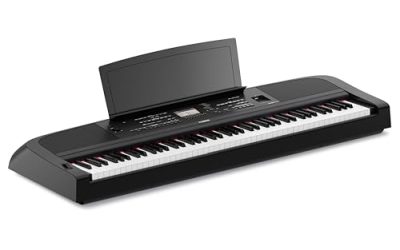
Yamaha PSR-SX700 61-Key Arranger Workstation

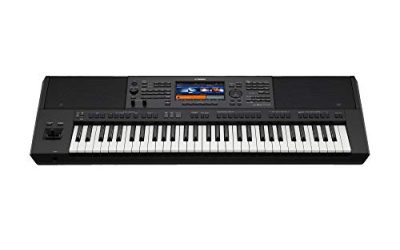
The Yamaha PSR-SX700 61-Key Arranger Workstation suits rehearsals that need clear control and quick recall. Its 61 keys cover a wide melodic range in a compact frame, and its 7-inch colour touchscreen makes it easy to select sounds, styles and settings while other players wait. Registration memory stores complete setups, so a player can move between songs without rebuilding sounds and accompaniment from scratch. A mic input supports a singer rehearsing with the group, and USB and MIDI support backing tracks and connection to other gear. Built-in speakers keep the setup simple in a small room. Check the listing for exact voice and style counts. Players who want a larger key range will need to plan octave shifts.
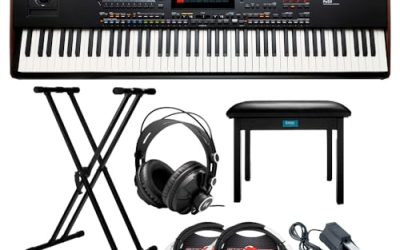
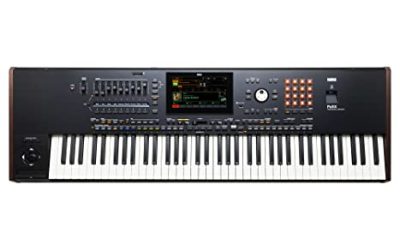
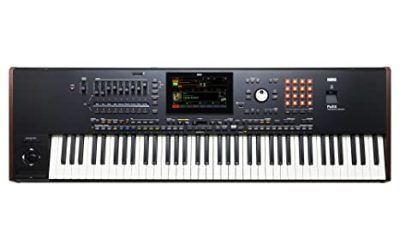
Korg Pa700 61-Key Arranger Workstation

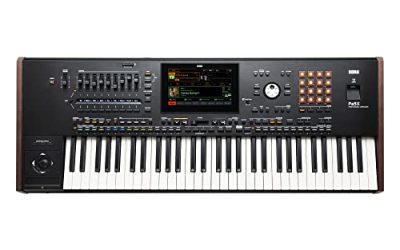
The Korg Pa700 61-Key Arranger Workstation suits groups with varied set lists and a singer at the centre of the sound. It includes 1700+ sounds and 370+ factory styles, giving the keyboard player plenty of backing options across genres. Its 7-inch TouchView colour touchscreen keeps style, sound and player controls in view, while the mic input with vocal effects supports a lead vocal without extra processing hardware. KAOSS FX adds performance effects that can lift a chorus or transition, and SD and USB storage support extra songs and data. A MIDI and MP3 player-recorder supports backing tracks and capture of rehearsal ideas, and built-in speakers keep the room setup simple. Its feature set can feel busy at first for a player who wants a very simple accompaniment board, and players who enjoy shaping sounds and styles will get more from it than those who want only basic backing.
Roland E-A7 Expandable Arranger Keyboard

The Roland E-A7 Expandable Arranger Keyboard suits rehearsal groups that want a broad tone palette and room to add their own sounds. Its 61 keys keep the footprint compact, while its 1500+ tones cover a wide range of lead and backing sounds. Dual LCD screens help the player follow settings and accompaniment parts without relying on a single small display. A mic input with vocal effects supports singers, and sampling capability lets the group load custom sounds or cues that match a specific song or show. USB and MIDI support connection to computers, tablets and other music gear. It does not list built-in speakers in the features given here, so check the listing for speaker details and plan for an external speaker or headphones if needed. It suits players who enjoy building a personal sound library more than those who want a fixed, ready-to-play setup.
Yamaha PSR-SX600 61-Key Arranger Keyboard

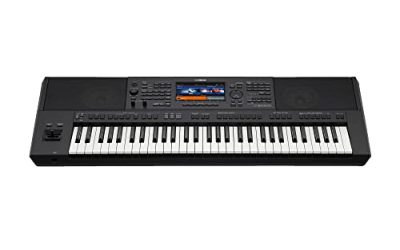
The Yamaha PSR-SX600 61-Key Arranger Keyboard suits rehearsals that need strong automatic accompaniment and simple practical control. It includes 415 accompaniment styles, 1373 sounds and 128-voice polyphony, giving a small group plenty of backing and lead options without a large board. Built-in recording captures rehearsal ideas and parts for later practice, while a mic input supports a vocalist and an aux input lets the group play a reference track through the keyboard. Assignable live control knobs let the player adjust sound and accompaniment in the moment, and USB audio playback supports backing tracks from a drive. Built-in speakers keep the setup tidy in a small room. Its screen and control layout are more modest than the larger touchscreen models here, so players who want a large colour display may prefer the PSR-SX700.
Comparison Table
| Feature | PSR-SX700 | Pa700 | E-A7 | PSR-SX600 |
|---|---|---|---|---|
| Keys | 61 | 61 | 61 | 61 |
| Display | 7-inch colour touchscreen | 7-inch TouchView touchscreen | Dual LCD screens | Check the listing |
| Sounds | Check the listing for counts | 1700+ sounds, 370+ styles | 1500+ tones | 1373 sounds, 415 styles |
| Mic input | Yes | Yes, vocal effects | Yes, vocal effects | Yes |
| Speakers | Yes | Yes | Check the listing | Yes |
| Recording | USB, MIDI | MIDI, MP3 player-recorder | Sampling, USB, MIDI | Built-in recording, USB audio |
| Control | Registration memory | KAOSS FX, SD, USB | Sampling | Live control knobs, aux input |
Which One Fits Your Situation
Choose the Yamaha PSR-SX700 if your rehearsals move quickly between songs and you want saved setups and a clear touchscreen. Its registration memory is a practical advantage when the set list changes often or different players share the same board. Choose the Korg Pa700 if your group plays many styles and the singer needs vocal effects built into the keyboard. Its large sound and style library suits varied rehearsals where the keyboard carries much of the backing. Choose the Roland E-A7 if you want to expand beyond factory sounds and add samples for specific songs, provided you confirm the speaker arrangement that fits your room. Choose the Yamaha PSR-SX600 if you want strong accompaniment, a clear sound library and practical knobs at a simpler level.
FAQ
Are 61 keys enough for a small rehearsal room?
Yes, for most repertoire. Sixty-one keys cover five octaves for melody, chords and accompaniment, and the compact board leaves more room for other players.
Do I need built-in speakers for rehearsal?
Built-in speakers keep a small-room setup simple and let everyone hear the accompaniment. For a larger space, a line output or external speaker can add volume.
What does registration memory do during rehearsal?
Registration memory stores a complete setup, such as a sound, style and tempo, so the player can recall it quickly when the next song starts.
Is a mic input useful if the singer has a separate system?
Yes. A mic input lets the singer rehearse through the same board, with vocal effects where included, and keeps the small-room setup tidy.
Final Take
For a small rehearsal room, the Korg Pa700 stands out for its wide sound and style library and vocal support, while the Yamaha PSR-SX700 suits players who value saved setups and touchscreen control. The Yamaha PSR-SX600 is the straightforward accompaniment choice, and the Roland E-A7 suits players who want to expand the sound palette with samples.
Write Your Review
No reviews yet. Be the first to share your experience!