
Certification is the line between chargers engineered to Apple’s standards and the mystery electronics that flood marketplaces. This 2026 guide explains what certified means across adapters, cables, and wireless chargers, and how to spot the real thing.


Anker iPhone Charger, 2-Pack 20W Fast USB C Charger Block, Type C Charger Fast Charging for iPhone 17/17 Pro Max/16 Series/iPad Pro and More (White, 2 Pack & 2 Cable)

![[Apple MFi Certified] iPhone 17 Charger Fast Charging, Stuffcool 4Pack PD 20W USB C Chargers Dynamic Power Adapter Type C Wall Charger + 6FT Type C Cable for iPhone 17/17 Pro/17 Pro Max/16 Pro/15/iPad](https://m.media-amazon.com/images/I/618-MJqshTL._AC_SL1500_.jpg)

Recommended Products

PrimeMicrosoft Surface Pro 13" Keyboard – Black

Samsung Smart Keyboard, Bluetooth Multi-Device Keyboard for Galaxy Phones, Tablets & Laptops, Slim Lightweight Design, AI Shortcut Key, Long Battery Life, EJ-B7800UBEGUJ, Dark Gray

Samsung Smart Keyboard, Laptop-Like Typing Feel, Dedicated Ai Short Key, Shortcut Keys – Black
As an Amazon Associate we earn from qualifying purchases. Product prices and availability are accurate as of the date/time indicated.
What Certification Actually Covers
Apple’s certification story has two halves. MFi, short for Made for iPhone, licenses accessories that physically connect or authenticate with Apple devices, historically Lightning cables and docks, each carrying a licensed chip the iPhone verifies. For wireless charging, the marks that matter are Qi and Qi2 certification from the Wireless Power Consortium, with Qi2 adopting Apple’s magnetic alignment so certified pads deliver full-speed MagSafe-class charging. Wall adapters themselves are governed by USB-IF standards and regional safety marks rather than Apple licensing, since USB-C is an open standard. Translation for shoppers: look for MFi on Lightning gear, Qi2 on magnetic chargers, and established brands with safety certifications on wall plugs.
Why Certification Matters in Practice
Certified gear earns its premium in failure modes you never see. Legitimate cables and chargers include temperature monitoring, current regulation, and surge protection that cheap clones routinely skip; investigations of counterfeit chargers regularly find missing isolation between mains voltage and the output, a genuine shock hazard. Day to day, uncertified Lightning cables trigger accessory warnings, stop working after iOS updates, and charge erratically. Uncertified magnetic chargers often charge at a crawl while running hot, the worst combination for battery longevity. The price gap between junk and certified accessories from value brands has collapsed in 2026, removing the main excuse; reputable certified gear now costs only slightly more than the gamble.
Reading Labels and Avoiding Counterfeits
Counterfeiters copy logos, so verify smarter. Buy from authorized channels: brand stores, carrier shops, and marketplace listings sold and shipped by the brand itself rather than third-party sellers with near-identical names. Genuine Apple adapters carry crisp regulatory text, consistent fonts, and precise plastics; fakes betray themselves with loose pins, light weight, and misspelled fine print. For cables, MFi-certified packaging carries the official badge, and Apple maintains the program so persistent accessory warnings are a red flag worth honoring rather than dismissing. Pricing is the final tell, since an adapter at a fifth of market price is not a deal but a different product. When in doubt, the brand’s own site lists current certified models.
Building a Certified Charging Kit in 2026
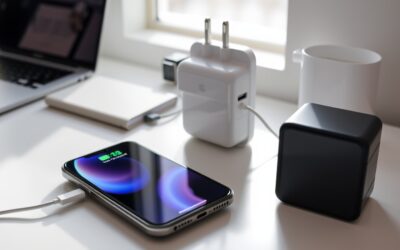
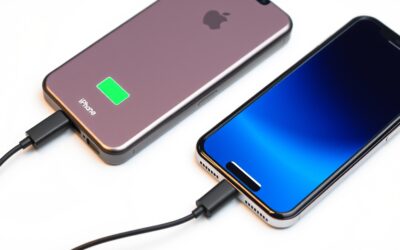
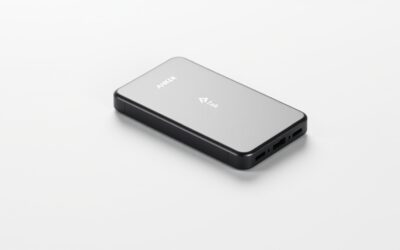
A sensible iPhone charging kit is small and certified end to end. For current USB-C iPhones, that means a compact gallium nitride wall adapter in the twenty-to-thirty-watt range from a reputable maker, a braided USB-C cable, and optionally a Qi2 magnetic stand for desk or bedside. Lightning iPhone holdouts swap in an MFi USB-C to Lightning cable. Add a certified car charger and one power bank, and every charging scenario is covered by gear that protects the battery rather than gambling with it. Replace frayed cables promptly, since damaged certified gear loses its safety margin too. The total outlay is modest, and the payoff is silent: years of charging without drama.
Related guides on our site:Best Lightning to Lightning Cables in 2026: Top Specialty Cords·Best Anker Nano Power Banks in 2026: Top Compact Chargers·Best Phone Stands in 2026: Top Desktop Holders Reviewed·Best Apple Pencil Tips in 2026: Top Replacement Nibs·Best Magic John Screen Protectors in 2026: Top Easy-Install Glass.
Frequently Asked Questions
Is MFi certification still relevant for USB-C iPhones?
MFi specifically covers Lightning and connector-based accessories. For USB-C iPhones, look instead for USB-IF compliance in cables and Qi2 certification in magnetic wireless chargers.
Do uncertified chargers really damage iPhone batteries?
Poorly regulated chargers stress the battery with voltage ripple and heat, accelerating wear. The bigger risk is safety: counterfeit adapters have caused shocks and fires in documented cases.
How can I verify a charger is genuine before buying?
Purchase from authorized sellers, check for crisp regulatory markings and certification badges, compare weight and finish against official photos, and treat dramatic discounts as a warning sign.
Write Your Review
No reviews yet. Be the first to share your experience!