
As iPhones continue to evolve with faster charging capabilities and the universal adoption of USB-C, choosing the right charging cable is more important than ever. A subpar cord can lead to frustratingly slow charging speeds, fragile connectors that break within months, or even potential damage to your premium Apple device. This comprehensive buying guide highlights the best iPhone charger cables for 2026, focusing on extreme durability, best power delivery, and everyday reliability.


Anker iPhone Charger, 2-Pack 20W Fast USB C Charger Block, Type C Charger Fast Charging for iPhone 17/17 Pro Max/16 Series/iPad Pro and More (White, 2 Pack & 2 Cable)

![[Apple MFi Certified] iPhone 17 Charger Fast Charging, Stuffcool 4Pack PD 20W USB C Chargers Dynamic Power Adapter Type C Wall Charger + 6FT Type C Cable for iPhone 17/17 Pro/17 Pro Max/16 Pro/15/iPad](https://m.media-amazon.com/images/I/618-MJqshTL._AC_SL1500_.jpg)

Recommended Products

PrimeZUGU CASE for iPad A16 11th Generation 11 Inch (2025), 10th Gen 10.9 Inch (2022) Magnetic Stand & Sleep/Wake Cover, Model #s A3354, A3355, A3356, A2696, A2757, A2777, Slate Blue

PrimeZugu Case for iPad Pro 13 (M4/M5) 2024/2025, Slim Protective Cover with Apple Pencil Holder, Auto Wake/Sleep, Multiple Viewing Angles, iPad Pro 13 Inch Cover, Phone Protectors, Black
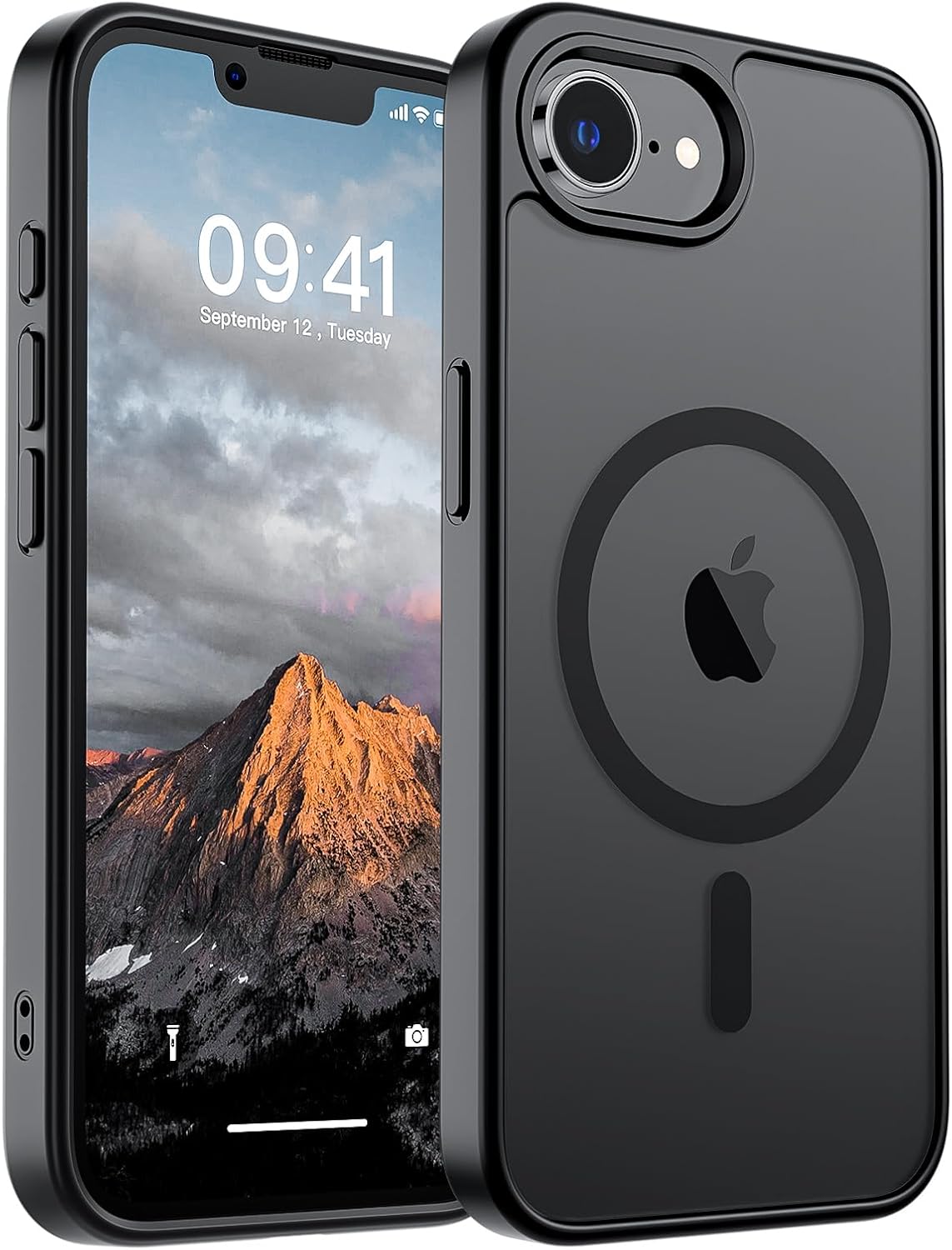
PrimeSUPFINE Magnetic for iPhone 17e Case/iPhone 16e Case (Compatible with MagSafe)(Military Grade Drop Protection) Slim Translucent Matte Shockproof with Anti-Fingerprint Phone Cover,Black
As an Amazon Associate we earn from qualifying purchases. Product prices and availability are accurate as of the date/time indicated.
What to Look for in a Modern iPhone Charger Cable
When shopping for an iPhone cable today, the primary consideration is the connector type. Starting with the iPhone 15 series and continuing through the latest 2026 models, Apple has fully transitioned to USB-C. If you own an older device like the iPhone 14 or earlier, you will still need a Lightning to USB-C cable. For modern iPhones, a USB-C to USB-C cable is the standard requirement.
Beyond the connector, physical construction is the defining factor of a quality cable. Look for double-braided nylon exteriors, which offer superior resistance to fraying, bending, and pet chewing compared to standard silicone or TPE plastic cords. Additionally, pay close attention to the strain relief collar—the flexible plastic sleeve where the cable meets the connector plug. A reinforced, elongated strain relief design prevents the internal copper wires from snapping under repeated bending.
Key Features and Technical Specifications That Matter
To ensure your cable performs safely and efficiently, there are several technical specifications you must verify before purchasing:
Power Delivery (PD) and Wattage:To fast-charge your iPhone, your cable must support USB Power Delivery. Look for cables rated for at least 60W, though many high-end cables now support up to 100W or 240W. While an iPhone will not draw 240W of power, a higher-rated cable uses thicker internal wiring, which reduces electrical resistance, generates less heat, and ensures the cable can safely double as a charger for your iPad or MacBook.
Data Transfer Speeds:If you regularly transfer large video files or backups from your iPhone to a computer, cable speed is crucial. Basic charging cables are often limited to USB 2.0 speeds of 480 Mbps. If you own a Pro model iPhone and require rapid data transfers, look for cables rated for USB 3 or USB 4, which can deliver transfer speeds ranging from 10 Gbps to 40 Gbps.
MFi Certification:For those using older iPhones with Lightning ports, Apple’s Made for iPhone (MFi) certification is non-negotiable. This certification ensures the cable contains a licensed chip that communicates safely with your iOS device, preventing warning pop-ups and protecting your battery from voltage spikes. For newer USB-C to USB-C cables, MFi certification is no longer used; instead, look for USB-IF certification to guarantee compliance with official USB standards.
How to Choose for Different Needs and Budgets
Selecting the perfect cable depends heavily on your daily routine and how much you are willing to spend. If you are on a tight budget, standard-length PVC or basic braided cables from reputable third-party accessory brands offer excellent value, providing safe charging speeds without the premium price tag of first-party Apple accessories.
For frequent travelers and commuters, portability and tangle resistance are the top priorities. Short, heavy-duty 3-foot cables or specialized coiled cables are ideal for keeping your vehicle’s console tidy or connecting to a portable power bank on the go. Conversely, if you like to use your iPhone while relaxing on the couch or in bed, investing in an extra-long 10-foot braided cable provides the physical freedom you need without putting tension on the wall outlet.
Usage and Maintenance Tips for Maximum Longevity
Even the most durable military-grade cables can fail prematurely if subjected to constant abuse. To extend the lifespan of your charging cords, always unplug the cable by gripping the hard plastic or metal connector head rather than pulling directly on the soft fabric or silicone cord. Yanking the cord puts immense stress on the internal solder joints, leading to intermittent charging connections.
When storing your cables for travel, avoid wrapping them tightly around your hand or folding them into sharp creases. Instead, use the natural coil of the wire to loop it loosely into a circle, and secure it with a hook-and-loop strap. Keeping the connectors clean is also vital; occasionally inspect the gold-plated pins on your USB-C or Lightning tips and gently remove any pocket lint or debris using a wooden toothpick or compressed air.
Who Each Cable Type Suits Best
Different lifestyles demand different cable designs. Heavy-duty braided nylon cables are best suited for power users, households with pets, and outdoor enthusiasts who need a cord that can survive rough handling, tight bags, and abrasive surfaces.
Ultra-flexible silicone cables are perfect for users who prioritize aesthetics and tactile feel. These cords are incredibly soft to the touch, drape elegantly across desks, and resist kinking entirely, making them a favorite for clean home office setups. Finally, high-bandwidth USB-C cables featuring aluminum alloy housings are designed specifically for creative professionals, photographers, and videographers who need to offload massive ProRes video files from their iPhones to external SSDs or laptops at maximum speed.
Related guides on our site:Ipad pro yellow screen troubleshooting guide for users·MacBook Pro bezel crack: Expert Repair and Prevention Tips·Orange smudge on macbook pro screen: Expert Removal Guide·Icloud locked macbook pro: A complete recovery guide·Macbook pro 2017 backlight issue troubleshooting guide.
Frequently Asked Questions
Will using a third-party USB-C cable void my Apple warranty?
No, using a third-party USB-C cable will not void your iPhone’s warranty, provided the cable complies with standard USB specs. To ensure absolute safety, it is recommended to purchase cables that are USB-IF certified or manufactured by well-known, reputable accessory brands.
Do I need a specific cable to fast charge my iPhone?
Yes, to achieve fast charging, you must use a USB-C to USB-C cable (or USB-C to Lightning cable for older models) paired with a wall adapter that supports USB Power Delivery (USB-PD) and outputs at least 20 watts of power.
Is a longer cable slower at charging my phone than a shorter one?
In theory, longer cables experience more electrical resistance, which can slow down charging. However, high-quality modern cables use thicker internal copper gauges to compensate for this length, meaning you will not notice any real-world drop in charging speed when using a premium 10-foot cable compared to a 3-foot cable.
Write Your Review
No reviews yet. Be the first to share your experience!