
- Top Pick: Akai Professional MPC Sample Portable Sampler
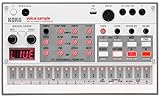
- Best Value: Korg Volca Sample 2 Digital Sample Sequencer Drum Machine w/Pattern Chain Mode and 16-step Sequencer
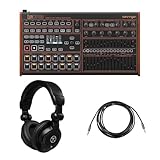
- Premium Choice: Behringer LM DRUM Classic Hybrid Sampling Drum Machine, Bundle with Turnstile Audio Headphones, Stereo Mini Male to Male Cable 10'
Buying a sampling drum machine means solving one specific problem: how do you capture, sculpt, and sequence percussive sounds without leaning on a laptop? The market spans from ultra-compact units under $150 to professional grooveboxes pushing $900, and the gap between them is not just price — it is workflow, headroom, and long-term creative ceiling.
What separates a good sampling drum machine from a frustrating one in 2026 comes down to sample playback clarity, sequencing depth, and how quickly you go from a raw sound to a finished pattern. Many units look impressive on a spec sheet but feel cramped when you are actually trying to retime a kick, layer a snare, or chain eight bars. This roundup compares the eight most talked-about options on published features, owner-reported reliability, and price-to-capability so you can narrow the field before spending.
As an Amazon Associate we earn from qualifying purchases at no extra cost to you.





Quick Picks
| Product | Best for | Price |
|---|---|---|
| Akai MPC Sample | Pad-driven beat making with MPC workflow | $399 |
| Korg Volca Sample 2 | Ultra-budget sample sequencing | under $150 |
| Behringer LM DRUM | Versatile hybrid sampling with included accessories | $459 |
| Behringer BMX | Hands-on hybrid drum sequencing | $459 |
| Behringer LM | Compact hybrid sampling workstation | $459 |
| teenage engineering EP-133 K.O. II | Portability and built-in mic sampling | $329 |
| Roland TR-8S | Performance-grade rhythm and sample playback | under $900 |
| Korg Volca Drum | Budget percussion synthesis alongside sampling rigs | under $150 |
How We Picked
We focused on four criteria: sample playback quality and flexibility, sequencing depth (pattern chaining, step programming, parameter locks), physical workflow (pads, knobs, and whether the layout supports intuitive editing), and value at the asking price. Owner feedback on long-term reliability and firmware support was weighted as a tiebreaker among units with similar published specs.
The 8 Best Sampling Drum Machines in 2026
Akai MPC Sample
For producers who want the classic MPC feel in a portable, affordable unit, the MPC Sample delivers a recognizable workflow with responsive pads and straightforward sample loading. Pros: the pad velocity response is praised by owners for capturing expressive hits, and the built-in editing tools make trimming and layering quick without a computer. Con: storage is modest for anyone carrying large sample libraries. Skip it if you need extensive multi-sample mapping or plan to run more than a handful of kits simultaneously.
Korg Volca Sample 2
The Volca Sample 2 is the lowest-friction entry into sample-based drum machines. Its pattern chain mode lets you build song-length sequences without a DAW, and the 16-step sequencer handles loop creation cleanly. Pros: price is unmatched for a dedicated sampler, and the built-in speaker makes it genuinely grab-and-go for sketching. Con: sample resolution and headroom are limited — this is a sketching tool, not a mixing board. Skip it if you need crisp hi-hats or full-frequency kick sounds.
Behringer LM DRUM
This hybrid unit blends sampling with synthesis engines, giving you two sound-generation paths in one chassis. The bundle with headphones and cable adds immediate utility for monitoring and patching. Pros: the hybrid engine is flexible enough to cover both organic and synthetic percussion, and the included bundle reduces the need for extra purchases at checkout. Con: the learning curve is steeper than simpler sequencers because you manage two sound sources. Skip it if you want a straightforward single-path workflow.
Behringer BMX
The BMX targets the performer who wants hands-on control over a hybrid sampling engine. Its layout emphasizes knobs and pads for live tweaking rather than deep menu diving. Pros: the physical interface earns praise for encouraging improvisational editing during sessions, and the hybrid engine covers a wide tonal range. Con: some owners report the menu navigation between sample slots can feel sluggish compared to dedicated samplers. Skip it if you prioritize quick recall of dozens of kits over live manipulation.
Behringer LM
The LM shares DNA with the LM DRUM but trims the accessory bundle to hit the same $459 price with a slightly different emphasis on compact form factor. Pros: it occupies less desk or bag space than many hybrid units, and the sequencing features are solid for its price bracket. Con: fewer hands-on controls than the BMX means more screen-based editing. Skip it if you already own headphones and cables you like — the LM DRUM bundle offers more immediate value at the same price.
teenage engineering EP-133 K.O. II
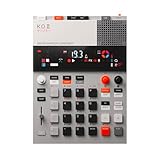
With 128 MB of sample storage and a built-in microphone, the K.O. II is built for field recording into instant beats. Its effects section adds lo-fi character without leaving the unit. Pros: the mic sampling workflow is genuinely fast — record, trim, assign to a pad in minutes — and the compact size fits a jacket pocket. Con: the small screen and limited simultaneous track count make complex arrangements harder to manage. Skip it if you routinely build multi-layer tracks with parameter automation.
Roland TR-8S Rhythm Performer
The TR-8S is the most capable sample playback drum machine on this list, combining ACB synthesis with multi-sample library support and studio-grade output. Pros: sample playback is the most polished here, with per-instrument effects and the ability to load custom kits that retain full fidelity. Con: the price is nearly double the next closest option, and the screen-based sample management requires patience. Skip it if your budget is tight or if you already own a TR-8 or similar Roland unit.
Korg Volca Drum
Technically a digital percussion synthesizer rather than a sampler, the Volca Drum earns its place here as the ideal companion to any of the units above. Pros: it generates its own sounds without samples, so it fills tonal gaps a sampler cannot, and the active step function is excellent for live pattern variation. Con: you cannot load your own sounds, so it is not a standalone solution for sample-based work. Skip it if you need one machine that does everything.
Buying Guide
Sample Playback and Storage
Storage determines how many kits you can carry at once. Units with modest memory force you to swap sounds between sessions, which interrupts flow. If you sample from vinyl, field recordings, or large commercial libraries, prioritize machines that handle multiple simultaneous kits without overwriting. For sketching and beat repetition, less storage is acceptable as long as the slot count is workable.
Sequencing Depth
A 16-step sequencer is the baseline. Pattern chaining extends this into song structure. Parameter locking lets you automate individual steps, which is what separates a loop machine from a groove box. Decide early whether you need performance-style tweaking (knobs mapped to sound parameters) or composition-style programming (arranging patterns into full tracks).
Workflow and Physical Interface
The number of pads, the placement of transport controls, and screen readability all affect how fast you work. A unit with good pads but buried menus will frustrate you more than a simpler machine with everything on the surface. If you play live, prioritize hands-on controls. If you compose, prioritize programming efficiency.
Our Verdict
Top pick: the Roland TR-8S for anyone who can justify the price, because its sample playback quality and per-instrument effects are unmatched here. Budget pick: the Korg Volca Sample 2 for under $125 is the cheapest legitimate entry point into dedicated sample sequencing. Condition under which another wins: if you need a microphone for field sampling on the go, the teenage engineering EP-133 K.O. II beats both the Akai and the Behringers at its price.
FAQ
What is the difference between a drum machine and a sampler?
A drum machine generates sounds internally, often through synthesis engines. A sampler records and plays back audio you load or capture. Hybrid units do both, letting you layer synthesized hits with sampled material in one workflow.
Do I need a computer alongside a sampling drum machine?
Not necessarily. Most units on this list can create finished patterns independently. A computer becomes useful for editing long samples, organizing large libraries, or exporting multitracks for mixing.
Is sample quality noticeably different between these machines?
Yes. The Roland TR-8S and the Behringer hybrids reproduce samples with more clarity than the budget Volca units. If your sound relies on hi-hat shimmer or kick sustain, the difference is audible immediately.
Can I load third-party sample packs into these machines?
Most support it, but the ease varies. The Akai and Roland units handle commercial sample libraries well. The Korg Volca units require more conversion work, and the Behringer hybrids sit in the middle depending on format support.



Write Your Review
No reviews yet. Be the first to share your experience!