
⚡ Key Takeaways
- The Core Difference
- Side-by-Side Comparison
- Where iPhone Wins
- Where Android Wins
- What About the iPad and Tablets?
- How to Decide
- The Switching Cost
- Camera and Performance
- Accessibility and Family Features
- Which Lasts Longer Before Feeling Slow?
- Top-Rated Picks
- Related Guides
- Frequently Asked Questions
- Final Thoughts
- Related Articles
- At the heart of it: Apple makes both the hardware and the software for the iPhone, so everything is tuned to work together.
- The comparison extends to tablets, and here Apple's lead is more pronounced.
- Moving between platforms is easier than it used to be — Apple and Google both offer transfer tools — but there are friction points.
- The best iPhones are known for consistent, natural-looking photos and class-leading video, which is why so many video creators shoot on iPhone.
The iPhone vs Android debate is the longest-running rivalry in tech, and for good reason — your choice shapes which apps you use, how your devices talk to each other, how much you spend, and how much control you have over your phone. There’s no universally “better” platform; there’s only the one that fits your priorities. Apple offers a tightly integrated, polished, privacy-focused ecosystem, while Android delivers more choice, customization, and hardware variety at every price point. This comparison breaks down the real differences across the areas that actually matter, so you can decide which side fits your life.
As an Amazon Associate we earn from qualifying purchases at no extra cost to you. Product prices and availability are accurate as of the date shown and are subject to change.


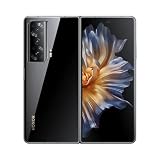


Quick answer: Our top pick in 2026 is the Hardware choice — our #1 rated choice. See the full ranked comparison, alternatives and buying advice below.
The Core Difference
At the heart of it: Apple makes both the hardware and the software for the iPhone, so everything is tuned to work together. Android is an operating system Google licenses to dozens of manufacturers — Samsung, Google, Motorola, OnePlus, and more — so you get enormous hardware variety but a less uniform experience. Apple optimizes for consistency and control; Android optimizes for choice and openness. Almost every other difference flows from this fundamental split.
Side-by-Side Comparison
| Category | iPhone (iOS) | Android |
|---|---|---|
| Hardware choice | Limited to Apple models | Huge range, all price points |
| Customization | Improving but limited | Extensive, deep control |
| Software updates | 5–6+ years, all at once | Varies by maker; flagships now 5–7 years |
| Ecosystem integration | Excellent (Mac, iPad, Watch) | Good with Google services, more fragmented |
| App quality | Often gets apps first, polished | Vast selection, sideloading allowed |
| Privacy | Strong default protections | Improving, but Google’s ad model |
| Price range | Mid to premium only | Budget to ultra-premium |
| Default messaging | iMessage (now with RCS) | RCS via Google Messages |
Where iPhone Wins
- Ecosystem. If you own a Mac, iPad, AirPods, or Apple Watch, the iPhone ties it all together seamlessly — copy on one device and paste on another, answer calls on your iPad, hand off tasks between devices.
- Long-term software support. Apple updates every iPhone for many years simultaneously, so even older models get the latest features and security patches.
- Privacy. Features like App Tracking Transparency and on-device processing give Apple a strong privacy reputation by default.
- Resale value. iPhones hold their value notably better than most Android phones.
- Consistency. The experience is predictable and accessory support is broad, from cases to a vast range of iPhone wireless chargers.
Where Android Wins
- Choice and price. Android spans everything from $150 budget phones to $1,800 folding flagships, so there’s a device for every wallet.
- Customization. Custom launchers, widgets everywhere, default app freedom, and deep system tweaks give power users control iOS doesn’t offer.
- Hardware innovation. Foldables, massive zoom cameras, stylus integration, and faster charging often appear on Android first.
- Google integration. If you live in Gmail, Google Photos, and Google services, Android fits like a glove.
- Flexibility. Sideloading apps, expandable storage on some models, and more file-system access appeal to tinkerers.
What About the iPad and Tablets?
The comparison extends to tablets, and here Apple’s lead is more pronounced. The iPad’s app ecosystem for tablets is far deeper than Android’s, which is why the iPad dominates the premium tablet market. If you’re already leaning iPhone, an iPad is the natural companion — and accessories like a sturdy iPad case, a clear iPad screen protector, and a fast USB-C charger for iPad are plentiful and well-supported. Android tablets exist and some are excellent, but the app optimization gap remains real.
How to Decide
Ask yourself a few honest questions:
- What do your friends and family use? If everyone you message is on iPhone, iMessage features and easy AirDrop matter (though RCS now improves cross-platform texting).
- Do you own other Apple products? A Mac or Apple Watch tilts the scale heavily toward iPhone.
- How much do you want to customize? Tinkerers lean Android; people who want it to “just work” lean iPhone.
- What’s your budget? If you need a sub-$300 phone, Android has far more options.
- How long do you keep phones? Apple’s long update window favors people who hold devices for years.
The Switching Cost
Moving between platforms is easier than it used to be — Apple and Google both offer transfer tools — but there are friction points. Paid apps don’t carry across, some data needs manual migration, and iMessage requires de-registration when leaving iPhone. Accessories mostly carry over for charging since both use USB-C now, and a quality Lightning cable is still handy if you keep an older iPhone in the mix. Factor the one-time hassle into your decision, but don’t let it trap you on a platform you’ve outgrown.
Camera and Performance
Both platforms have reached a high bar for cameras and speed, but they emphasize different things. The best iPhones are known for consistent, natural-looking photos and class-leading video, which is why so many video creators shoot on iPhone. Premium Android phones counter with versatile camera systems — extreme zoom, dedicated macro lenses, and computational tricks that can produce stunning results, sometimes pushing more aggressive processing. On raw performance, Apple’s custom chips have historically led in single-core speed and efficiency, while top Android chips have closed the gap and excel at certain multitasking and gaming workloads. For the vast majority of people, both platforms feel fast and take excellent photos; the differences only emerge at the extremes of professional use.
Accessibility and Family Features
Both ecosystems take accessibility seriously, with robust screen readers, magnification, hearing accommodations, and voice control. Apple’s tight hardware-software integration often means accessibility features work consistently across every iPhone, while Android’s openness allows more third-party assistive tools. For families, both offer parental controls — Apple’s Screen Time and Google’s Family Link — that let parents limit screen time, approve purchases, and filter content. If managing kids’ devices is a priority, both platforms handle it well, though households already invested in one ecosystem usually find it simpler to stay within it.
Which Lasts Longer Before Feeling Slow?
A practical concern is how long a phone stays usable before it feels outdated. iPhones have a strong reputation here thanks to years of software updates and chips that age gracefully, so a three- or four-year-old iPhone often still runs the latest iOS smoothly. Premium Android phones now match this with extended update commitments, but budget Android devices can feel sluggish sooner and stop receiving updates earlier. If longevity is a top priority and you don’t want to replace your phone often, both flagship tiers serve you well — but the iPhone’s track record and the gap at the budget end of Android are worth weighing.
Top-Rated Picks
![Ailun 3 Pack Screen Protector for iPhone 17 / iPhone 16 Pro [6.3 inch] with Installation Frame, Dynamic Island Compatible, Case Friendly[Not for iPhone16/16Plus/16Pro Max/17Pro/17Pro Max/Air]](https://m.media-amazon.com/images/I/711tQq-VhOL._AC_SL400_.jpg)

![Spigen for iPhone 17 Pro Max Case, Ultra Hybrid MagFit [TPU Covered Camera Control] [Anti-Yellowing] [Compatible with Magsafe] - Clear](https://m.media-amazon.com/images/I/51GLXwRKvtL._SL400_.jpg)
Dropped $1.50
![Spigen for iPhone 17 Pro Max Case, Ultra Hybrid MagFit [TPU Covered Camera Control] [Anti-Yellowing] [Compatible with Magsafe] - Frost Black](https://m.media-amazon.com/images/I/61zbspkFCJL._AC_SL400_.jpg)
Prime
Top Rated
Spigen for iPhone 17 Pro Max Case, Ultra Hybrid MagFit [TPU Covered Camera Control] [Anti-Yellowing] [Compatible with Magsafe] – Frost Black
Dropped $1.60

| Product | Brand | Rating | Reviews | Price |
|---|---|---|---|---|
| Ailun 3 Pack Screen Protector for iPhone 17 / iPhone … | Ailun | ★ 4.6 | 1132.9k | $6.98 |
| Ailun Screen Protector for iPhone 16 Plus/iPhone 15 P… | Ailun | ★ 4.6 | 1132.9k | $5.98 |
| Spigen for iPhone 17 Pro Max Case, Ultra Hybrid MagFi… | — | ★ 4.6 | 330.8k | $14.99 |
| Spigen for iPhone 17 Pro Max Case, Ultra Hybrid MagFi… | — | ★ 4.6 | 330.8k | $15.99 |
| Ailun 3 Pack Screen Protector for iPhone 16 Pro [6.3 … | Ailun | ★ 4.5 | 431.5k | $8.98 |
Frequently Asked Questions
Is iPhone or Android better for privacy?
Apple has a stronger privacy reputation thanks to default protections like App Tracking Transparency and on-device processing. Android has improved significantly, but Google’s business model is built partly on advertising, which shapes its data approach.
Can iPhone and Android text each other normally now?
Yes. With RCS support, messaging between iPhone and Android now includes typing indicators, read receipts, and high-quality media, closing much of the old gap — though iMessage’s blue-bubble features remain Apple-only.
Which platform is cheaper overall?
Android, generally. It offers phones at every price including very inexpensive models, while the iPhone starts at a higher floor. However, iPhones hold resale value better, narrowing the long-term cost difference.
Do iPhones really last longer than Android phones?
iPhones have historically received software updates for more years, though top Android makers now match or exceed that with 5–7 year commitments. Build quality and battery longevity are comparable on premium devices from both sides.
Should I switch platforms just for one feature?
Rarely. A single feature seldom outweighs the cost of leaving your ecosystem, apps, and accessories. Switch only if multiple priorities point the other way or you’re genuinely unhappy with your current platform.
Final Thoughts
iPhone vs Android isn’t a battle one side wins — it’s a question of fit. Choose iPhone for ecosystem cohesion, long support, strong privacy, and a polished, predictable experience. Choose Android for choice, customization, hardware variety, and value. Weigh what your people use, what you already own, and how much control you want, and the right answer for you becomes clear.
Ready to decide? Our #1 pick for 2026 is the Hardware choice.
Live price & availability on Amazon.
Write Your Review
No reviews yet. Be the first to share your experience!