
Choosing between an iPhone case and a bumper case is less about finding the “best” protection and more about deciding what you want your phone to feel like every day. A full case usually offers more complete coverage, better grip, and more room for features such as MagSafe magnets, a kickstand, a wallet, or a raised camera guard. A bumper case takes a lighter approach: it protects the frame and corners while leaving much of the back visible or exposed.
That difference matters in a home setting. Your phone may sit on a kitchen counter, slide across a nightstand, share a sofa with pets, or get handled by children. It may also need to fit into a charging stand, a car mount, or a small drawer. This iPhone case vs bumper case comparison looks at comfort, protection, appearance, cost, and long-term practicality so you can choose the style that fits your space and habits in 2026.
As an Amazon Associate we earn from qualifying purchases at no extra cost to you. Product prices and availability are accurate as of the date shown and are subject to change.

![Metal Bumper Case for iPhone 17 Pro Max / 18 Pro Max , Aluminum Frame Slim Case [Soft Silicone Inner Bumper][Raised Edge Protection] HD Tempered Glass Screen Protector Cover for iPhone 17PM/18PM](https://m.media-amazon.com/images/I/41gOmQEh9XL._SL160_.jpg)
Quick Verdict
Choose a standard iPhone case if you want all-around protection, a dependable grip, and more flexibility. It is the safer choice for families, pets, frequent travelers, and anyone who regularly places a phone on hard surfaces. A slim case can add roughly 1.5 to 3 millimeters to each side while still protecting the back, camera area, and corners.
Choose a bumper case if you prefer the phone’s original design, want minimal bulk, or mostly need protection against edge and corner impacts. Bumpers are particularly appealing for careful users who keep their phone on a desk or nightstand and do not want a thick layer between their hand and the device. The trade-off is that the back, camera lenses, or screen may need separate protection.
Side by Side
| Factor | Standard iPhone case | Bumper case |
|---|---|---|
| Comfort | Usually softer and easier to grip; adds about 20 to 45 grams | Feels closer to the bare phone; commonly adds about 10 to 25 grams |
| Durability | Protects the back, corners, edges, and often the camera area | Strongest around the frame and corners; back protection varies |
| Price range | About $8 to $35 for basic through premium models | About $9 to $30, depending on materials and included protection |
| Maintenance | Can trap dust and require occasional removal and cleaning | Usually quick to wipe down, but exposed surfaces still collect marks |
| Space needed | May make a phone 2 to 6 mm wider and thicker overall | Usually adds less bulk and fits more easily in narrow holders |
| Look | Available in clear, colored, textured, leather-style, and patterned finishes | Preserves more of the original phone design, especially with a clear back |
| Resale | Helps prevent scratches that can affect appearance and trade-in value | Can prevent edge damage, but exposed back panels may still show wear |
| Charging | Look for MagSafe or Qi2 compatibility if you use magnetic charging | Often works well with chargers, but metal versions can affect magnetic alignment |
| Best for | Busy households, children, pets, travel, and everyday all-over protection | Minimalists, careful users, display-focused rooms, and light protection |
Where Iphone Case Wins
A full case wins when you want fewer separate accessories. Its back panel can protect against scratches from countertops, wood furniture, keys, and grit that collects at the bottom of a bag. Many models also extend slightly above the screen and camera lenses, creating a small buffer when the phone is placed face down or set on a table.
Grip is another practical advantage. Smooth glass and metal can slide on polished surfaces, while silicone, flexible TPU, or textured plastic gives the phone more friction. In a home with tile, hardwood, or stone flooring, that extra grip may stop a phone from sliding off an armrest or counter in the first place. A case with a raised lip of approximately 1 to 2 mm around the display can also help reduce direct contact during a drop, although no case prevents all screen damage.
Full cases are also easier to personalize. A clear model such as the TORRAS for iPhone 17 Pro Case Crystal Clear, Upgraded Anti-Yellowing, 6.3" is the type of option buyers consider when they want the phone’s color to remain visible without leaving the back completely unprotected. A magnetic model such as the SUPFINE Magnetic for iPhone 13 Case/iPhone 14 Case Black is more suitable for someone who uses magnetic stands, wallets, or charging accessories. Those examples are priced at $11.02 and $7.78, respectively, showing that useful features do not always require a premium price.
The main downside is added volume. A case can make a phone harder to slide into a tight pocket, compact console, or small charging cradle. It may also need to be removed if debris builds up between the case and phone. Clear cases can yellow or become cloudy over time, while soft finishes may attract lint.
Where Bumper Case Wins
A bumper case is the better fit when preserving the phone’s slim feel matters more than full coverage. It typically wraps around the perimeter and reinforces the corners, the areas most likely to strike first during a short drop. With less material across the back, a bumper can be easier to hold, lighter on a wireless charging pad, and less noticeable on a minimalist side table.
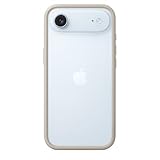
It is also a strong visual choice for rooms where the phone is left in plain sight. A tan option such as the Apple iPhone Air Bumper – Tan, listed at $9.90, can coordinate with warm wood, leather, or neutral upholstery instead of adding a bright splash of color. Bumpers are often easier to remove and clean than tightly fitted cases, which is useful if multiple people share charging areas around the home.
However, protection depends heavily on the design. A bumper with reinforced corners and a raised edge is more useful than a thin decorative frame. If the back is exposed, consider a separate back film or a tempered-glass screen protector. A metal bumper may also affect the feel of the phone and can interfere with some magnetic accessories if its frame is not designed for that system.
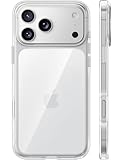
For more substantial edge protection, a product such as the Metal Bumper Case for iPhone 17 Pro Max / 18 Pro Max, with a soft silicone inner bumper and raised-edge protection, is listed at $16.99. Its included screen protector and metal construction illustrate how a bumper can become a more complete protection system, although it will generally feel less minimal than a basic flexible frame.
Cost Over 5 Years
The purchase price is only part of the calculation. A basic iPhone case costing $8 to $15 may last two to three years before the corners soften, the finish becomes unpleasant, or the material discolors. Over five years, budgeting for two cases puts the total around $16 to $30. A sturdier $20 to $35 case may last most of that period, creating an estimated five-year cost of $20 to $70 if you replace it once for wear or after a phone upgrade.
Bumpers generally cost about $9 to $30. A careful user might buy one bumper for five years, or two at a total of roughly $18 to $60. But a bumper may require extras: a $5 to $15 screen protector, a $5 to $15 back protector, or a replacement after an exposed back becomes scratched. That can bring the practical five-year total to approximately $19 to $90.
These are planning ranges, not guarantees. The least expensive option is usually the one that prevents a damaged phone, but neither style replaces careful handling. Also check fit when upgrading: a case made for one iPhone generation may not align with another model’s camera bump, buttons, or charging coil.
Which One for Your Home
Small apartment
Choose a slim standard case or a low-profile bumper. Limited storage and narrow charging shelves make compact dimensions valuable, but hard floors increase the cost of a fall. A case around 2 mm thick with a good grip is a balanced choice. If you use a magnetic stand, confirm that the case supports MagSafe or Qi2 rather than assuming every thin case will align correctly.
Family with kids or pets
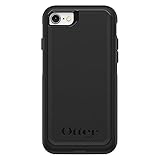
A full case is the clear choice. Look for flexible corner protection, a raised screen edge, a covered or reinforced camera area, and a surface that is easy to wipe. A dark, textured case may hide fingerprints and small scuffs better than a clear bumper. For younger children, a bulkier case with a handle or stand can be worthwhile, even if it adds more than 4 mm to the phone’s overall thickness.
Rental home
Use a grippy case that reduces the chance of the phone sliding off counters, shelves, or borrowed furniture. You do not need an oversized rugged design if drops are uncommon, but full back coverage is helpful on stone, laminate, and tile. Neutral colors, clear finishes, or tan and black options are less visually distracting in shared rooms.
Long-term home
If the phone usually stays in one place and you plan to keep it for several years, either style can work. Select a bumper if preserving the original design is your priority and you are willing to add screen protection. Choose a full case if you want the best chance of maintaining clean edges and a scratch-free back for eventual resale or trade-in.
FAQ
Is an iPhone case safer than a bumper case?
Usually, yes, because a standard case covers more surfaces. It protects the back and often adds raised protection around the screen and cameras. A well-designed bumper can still protect the frame and corners effectively, but exposed glass remains more vulnerable to scratches and direct impacts.
Does a bumper case work with wireless charging?
Many do, especially flexible plastic or silicone models. Metal bumpers require more caution because the frame can affect magnetic alignment or charging performance. For a charger rated at 15 watts, use a case specifically marked as MagSafe or Qi2 compatible and test that the phone stays centered.
How often should I replace an iPhone case or bumper?
Inspect it every few months and replace it when corners split, the material becomes loose, the raised edge no longer sits above the screen, or the case has stretched around the phone. With normal home use, replacement every two to three years is common, while heavy use or a major drop may require an immediate change.
Can I use a bumper without a screen protector?
You can, but it leaves the display more exposed. If the bumper does not provide a raised lip, a tempered-glass protector is especially sensible. Also consider a back protector if the bumper leaves the rear panel uncovered. That combination can preserve the slim feel while addressing the main gaps in bumper protection.
Ready to decide? Our #1 pick for 2026 is the Comfort.
Live price & availability on Amazon.





Write Your Review
No reviews yet. Be the first to share your experience!