
![Hensinple for iPod Touch 7th/6th/5th Generation Case, for iPod Touch case, Shockproof Silicone [with Built in Screen Protector] 360 Full Body Heavy Duty Rugged Cover(Black)](https://m.media-amazon.com/images/I/61MDJs8LsfL._AC_SL400_.jpg)
![Hensinple for iPod Touch 7th/6th/5th Generation Case,for iPod Touch case,Shockproof Silicone [with Built in Screen Protector] Full Body Heavy Duty Rugged Defender Cover(Green)](https://m.media-amazon.com/images/I/611VIxVGySL._AC_SL400_.jpg)
Prime
Editor's Pick
Hensinple for iPod Touch 7th/6th/5th Generation Case,for iPod Touch case,Shockproof Silicone [with Built in Screen Protector] Full Body Heavy Duty Rugged Defender Cover(Green)
![Hensinple for iPod Touch 7th/6th/5th Generation Case, iPod Touch case, Shockproof Silicone Case [with Built in Screen Protector] Full Body Heavy Duty Rugged Defender Cover (Red)](https://m.media-amazon.com/images/I/71BmuZCOaaL._AC_SL400_.jpg)
Ipod Touch 7th Generation devices are often viewed as relics of a bygone tech era, yet they still hold a fascinating place in the hearts of iOS purists. In this honest review, we look at how this pocket-sized media player holds up in today’s fast-moving digital world. Is it still worth buying in 2026, or has time finally run out for Apple’s last music player?
Quick Overview and Key Features of the Device
When Apple quietly discontinued its final music player, it marked the end of an iconic product category that revolutionized how we consume digital media. The device remains a nostalgic piece of technology, but evaluating its hardware features with a modern lens is critical to understanding its current value. Let us examine the underlying components that power this pocket companion.
As an Amazon Associate we earn from qualifying purchases at no extra cost to you.
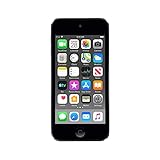
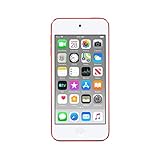
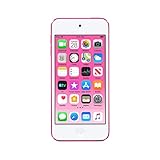
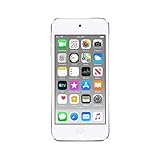

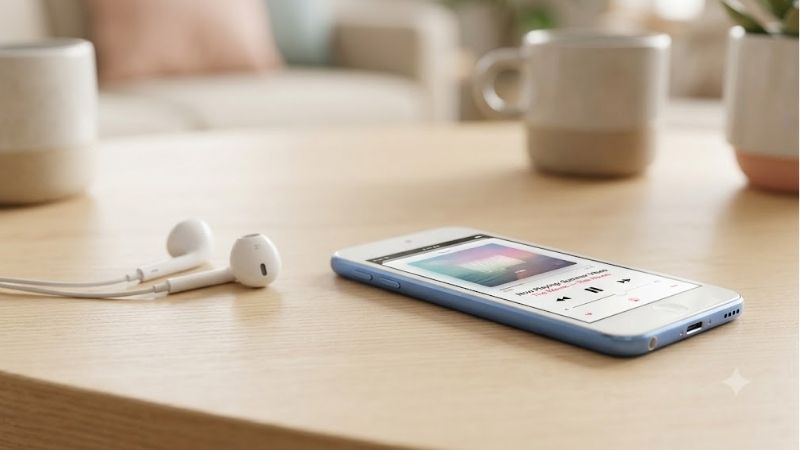
A10 Fusion Chip Performance and Specifications
Under the hood, the Ipod Touch 7th Generation is powered by the A10 Fusion chip, which first debuted with the iPhone 7 series. However, to fit into such an incredibly thin chassis without overheating, Apple chose to underclock the processor slightly compared to its smartphone counterparts. This hardware limitation means that while it handles basic navigation, it lacks the raw power of modern processors.
With only 2GB of RAM, multitasking on this device is a highly compromised experience by today’s standards. Attempting to switch between multiple active applications usually results in frequent app reloading and noticeable interface stutters. If you are accustomed to the blistering speeds of a modern flagship like the iPhone 17 Pro Max, this legacy performance will feel painfully slow.
Storage configurations range from 32GB up to a more generous 256GB, though finding the larger models is increasingly difficult. While the A10 chip once handled Apple Arcade titles with ease, complex modern games will either lag severely or fail to load altogether. This leaves the system’s performance strictly suited for lightweight utilities and local audio playback.
Compact 4-Inch Retina Display and Classic Form Factor
The physical footprint of the media player is perhaps its most outstanding feature, measuring just 6.1mm in thickness and weighing an astoundingly light 88 grams. This ultra-thin design makes it incredibly easy to slip into any pocket, gym shorts, or small running pack. It presents a stark contrast to the heavy, bulky smartphones that dominate our pockets today.
The screen itself is a 4-inch Multi-Touch IPS Retina display featuring a resolution of 1136×640 pixels. While the colors are accurate and the text remains sharp, the overall screen real estate feels incredibly cramped. Browsing modern web pages or typing on the compact virtual keyboard requires a level of precision that many modern users might find frustrating.
Additionally, this classic form factor misses out on almost every modern hardware advancement Apple has introduced. It is not qi2 compatible and never works with MagSafe accessories unless you purchase specialized adhesive adapters. The classic physical home button remains, but it lacks Touch ID, forcing you to type a passcode manually every time.
Camera Performance and iOS Software Compatibility Limitations
For photography, the device is equipped with an 8MP rear camera and a basic 1.2MP FaceTime HD front camera. In optimal lighting conditions, the rear camera can capture passable, simple images that are fine for quick reference notes. However, low-light performance is virtually non-existent, resulting in grainy, dark, and blurry photos that belong in the previous decade.
The front-facing camera is equally outdated, delivering grainy video feeds during FaceTime calls that look washed out and blurry. In an era where high-definition video calls are standard, using this camera feels like stepping back in time. For anyone planning to record social media content or take casual family photos, this hardware is inadequate.
The most critical bottleneck for the Ipod Touch 7th Generation is its absolute software compatibility limit, as it is permanently capped at iOS 15. Because it cannot upgrade to newer iOS versions, it is locked out of modern security patches and system-level features. This software freeze presents a massive long-term hurdle for anyone looking to download modern applications.
Real User Experience and Modern Performance Analysis
To deliver an honest review, we must look beyond theoretical specifications and explore what it feels like to use the device. Synthesizing hundreds of user reviews reveals a vast divide between those who adore its simplicity and those who are frustrated by its limits. Let us explore the daily realities of carrying this legacy device.
Audio Quality and the Beloved 3.5mm Headphone Jack
The single biggest reason consumers still hunt for the Ipod Touch 7th Generation is its legacy audio connectivity. Unlike modern iPhones, this device features a built-in 3.5mm headphone jack, allowing you to connect wired headphones directly. For audiophiles who own expensive wired monitors, this built-in jack eliminates the need for clumsy external dongles.
Wireless connectivity is supported through Bluetooth 4.1, which is reliable enough for connecting standard headphones or basic wireless speakers. However, you will miss out on the advanced high-fidelity codecs, spatial audio, and seamless switching found on newer devices. It serves well as a dedicated Bluetooth transmitter, but it cannot compare to modern wireless setups.
The onboard mono speaker located at the bottom of the device is another weak point in the audio experience. It produces thin, tinny sound that lacks any discernible bass and easily distorts at higher volumes. To enjoy music, podcasts, or video audio, relying on the headphone jack or external speakers remains absolutely mandatory.
Battery Life and Daily Usability Challenges
Battery endurance is easily the most criticized aspect of this legacy device, especially among those buying refurbished models. The internal battery capacity is a tiny 1043 mAh, which was small even by 2019 standards. When brand new, Apple advertised up to 40 hours of music playback, but real-world performance is far worse.
If you use the device to stream music over Wi-Fi or watch a couple of video clips, the battery drains rapidly. Many users report that a fully charged battery can be completely depleted in less than three hours of active screen time. This poor battery life means you will need to keep a portable power bank nearby at all times.
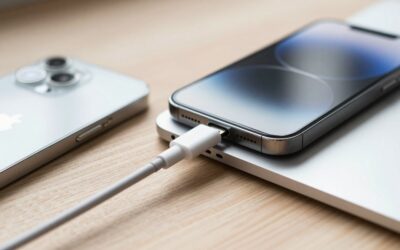
Charging is handled through a traditional Lightning port, which feels increasingly inconvenient as the world transitions to universal USB-C. Because the device does not support fast charging, it takes a surprisingly long time to top up its tiny battery. It is a slow, wired-only experience that lacks the convenience of modern magnetic wireless charging solutions.
Rising Component Prices and the Refurbished Apple Market Impact
In the current macroeconomic climate, laptop and component prices are trending upward globally, which has directly impacted the secondary market. This rising cost structure has trickled down to the refurbished Apple market, making older devices more expensive to repair and acquire. Consequently, secondary market prices for these legacy media players have remained surprisingly high.
This upward price pressure makes the device a difficult financial choice for budget-conscious consumers looking for a simple media player. Since genuine replacement batteries are scarce, refurbished units often ship with degraded batteries that degrade the user experience. You must ask yourself if paying a premium for a discontinued device is a smart financial move.
For the money required to buy a mint-condition refurbished unit, you are often close to the cost of a budget smartphone. This makes the purchase decision highly subjective, requiring you to weigh the nostalgic appeal against the realistic hardware costs. The economic reality is that this legacy device is no longer the cheap entry-point it once was.
Buying Guide: Pros, Cons, and Final Verdict
Deciding should you buy this device requires a careful look at what you expect from a dedicated media companion. While its lightweight form factor is highly appealing, its severe software and battery limits cannot be ignored. Let us break down the definitive pros and cons to see where this classic pocket player stands.
Weighing the Positives and Negatives
Every consumer must weigh the unique strengths of this music player against its severe software and hardware limitations before buying. While it offers an unparalleled level of lightweight portability, the aging processor and lack of modern updates are major pain points. Here is a clear breakdown of the essential benefits and drawbacks to help guide your choice.
✅ Pros:
- Exceptionally thin, lightweight, and highly pocketable form factor.
- Includes a dedicated 3.5mm headphone jack for high-quality wired audio.
- Provides a distraction-free environment for kids, runners, and digital detoxing.
- Offers access to the iOS App Store ecosystem without a cellular plan.
❌ Cons:
- Stuck permanently on iOS 15, creating massive modern app compatibility issues.
- Extremely short battery life that degrades quickly under any active workload.
- Underclocked A10 Fusion chip struggles with modern performance demands.
- Inflated pricing in the refurbished market due to rising component costs.
To protect this remarkably thin and fragile aluminum shell, investing in a high-quality protective case is highly recommended. Many users debate going with a heavy-duty option vs OtterBox to maximize rugged drop protection for active use. Others prefer a slimmer profile vs Spigen to keep the device as pocketable and lightweight as possible.
Who Should Buy the iPod Touch Today
The Ipod Touch 7th Generation remains an excellent choice for parents who want to give their children an entertainment device. It allows kids to listen to music, stream videos, and play simple games without the risks of cellular connectivity. It acts as a safe, controlled sandbox that introduces young users to iOS without the cost of a phone plan.
It also remains highly popular with runners, gym-goers, and minimalists who want to leave their heavy smartphones at home. If you want a lightweight music player that holds thousands of local MP3 files, this device is perfect. It allows you to enjoy your workouts without constant social media pings, text notifications, or work email alerts.
For anyone who falls into these highly specific use cases, this discontinued player still offers a unique set of features. If you are ready to accept its legacy limitations, it can serve as a fantastic, focused audio companion. See today’s deal on Amazon →
Who Should Skip It and Choose an Alternative
If you are looking for a primary device to run modern social media apps or play high-end games, skip this hardware. The software limitations of iOS 15 mean that popular daily apps will eventually stop working entirely as updates roll out. You will quickly find yourself frustrated by slow loading times, constant crashes, and rejected App Store downloads.
For most general consumers, buying a budget smartphone or a refurbished base-model iPhone is a far superior financial investment. These devices offer vastly superior battery life, modern cameras, larger screens, and ongoing software support for a similar price. Choosing an older iPhone over a discontinued music player is almost always the more practical and future-proof decision.
Ultimately, unless you have an explicit need for an ultra-light, distraction-free iOS device with a headphone jack, your money is better spent elsewhere. The march of technology has turned this once-revolutionary device into a niche collectors’ item rather than a practical daily tool. Check the latest price on Amazon →
Conclusion
Ultimately, the Ipod Touch 7th Generation is a charming piece of Apple history that marks the end of an era. While its ultra-portable design, light weight, and legacy headphone jack remain attractive, its severely outdated processor, poor battery life, and software limitations make it difficult to recommend for everyday modern use. If you are looking for a dedicated, nostalgic music player, the Ipod Touch 7th Generation can still serve a purpose, but make sure you understand its significant limitations before clicking buy. See today’s deal on Amazon →
Frequently Asked Questions
Is the iPod touch 7th generation still worth buying in 2026?
Only for narrow uses. Apple discontinued it in May 2022 and it has not received a major iOS update in years, so many current apps refuse to install. It still works well as an offline music player, a podcast device for kids, a white-noise machine or a dedicated camera-free device, but it is not a substitute for an iPhone or iPad.
What iOS version does it run?
The 7th generation iPod touch uses the A10 Fusion chip and tops out at iOS 15, released in 2021. That means no Lockdown Mode improvements, no newer Safari engine features and no App Store listings that require iOS 16 or later. Existing purchases can often be downloaded in an older compatible version through the App Store purchase history screen.
Does it charge over USB-C?
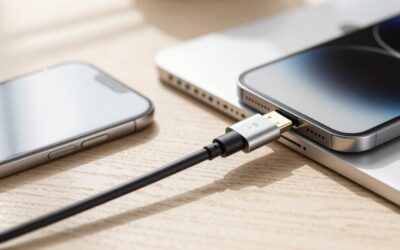
No. It uses a Lightning port, so you need a Lightning cable and any standard USB power adapter. It does not support fast charging, and there is no MagSafe or wireless charging. If your household has moved entirely to USB-C, budget for a USB-C to Lightning cable, which also works with older AirPods cases and Magic accessories.
Can it make calls or use mobile data?
No cellular hardware is fitted, so it is Wi-Fi only. You can place FaceTime audio and video calls, use iMessage between Apple devices and use internet calling apps while connected to Wi-Fi or a personal hotspot. Standard phone calls and SMS to non-Apple numbers are not possible without a third-party voice-over-IP service and a number from that provider.
How is the battery after several years?
Most surviving units have degraded batteries, often holding well under half their original capacity, because lithium cells age even in storage. Apple no longer services the model as it is classed as obsolete, so replacement means a third-party battery and a delicate adhesive teardown. Budget for that if you buy used, and always test playtime before relying on the device.


Write Your Review
No reviews yet. Be the first to share your experience!