
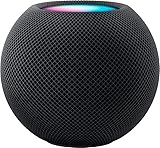
- Top Pick: Apple – HomePod mini – Space Gray
- Best Value: Apple – HomePod mini – Orange
- Premium Choice: Apple – HomePod mini – Blue
The HomePod mini is the friendliest on-ramp into Apple’s smart home, and it does far more than play music. As a Home hub it can run automations, control lights and locks while you are away, and answer Siri requests hands-free. If you are new to home automation in 2026, this little speaker is the piece that ties everything together.
- Watch: How to Set Up an Apple HomePod Mini for Smart Home Automation Beginners — Video Review
- Getting Started: Pairing Your HomePod mini
- Understanding the Home App
- Creating Your First Automations
- Using Siri for Hands-Free Control
- Placement and Accessories
- Tips
- Frequently Asked Questions
- Conclusion
- Related Articles
- Related Guides
This beginner’s guide walks you through unboxing, pairing, and turning your HomePod mini into the brain of a simple smart home. You will learn how to create your first automations, group speakers, and control accessories with your voice, all without any coding or complicated hubs. By the end you will have a system that adjusts your home automatically around your daily routine.
As an Amazon Associate we earn from qualifying purchases at no extra cost to you.




⚡ Save on Your Next PC — Amazon Prime
Prime members get fast free shipping on the systems above, plus early access to Prime Day & Black Friday PC deals. New members get a 30-day free trial.
Watch: How to Set Up an Apple HomePod Mini for Smart Home Automation Beginners — Video Review
Getting Started: Pairing Your HomePod mini
Setup is nearly automatic. Plug in your HomePod mini, wait for the chime, and hold your iPhone or iPad nearby. A setup card appears on your screen; tap Set Up, choose the room it lives in, and agree to transfer your Apple ID and Wi-Fi settings. Whether you picked Space Gray, Blue, Yellow, Orange, or Black, the process is identical and takes about two minutes.
Understanding the Home App
The Home app on your iPhone is your control center. Every accessory, room, and automation lives here. Spend a few minutes organizing accessories into rooms that match your house, because Siri uses those rooms for commands like “turn off the kitchen lights.” A well-organized Home app makes every later step easier.
Creating Your First Automations
Automations run actions based on triggers: time of day, your arrival or departure, or an accessory changing state. Start simple. Create a “Good Morning” automation that fades in lights at 7 a.m., or a “Leaving Home” automation that switches everything off when your iPhone leaves. Your HomePod mini stays home and executes these even when your phone is gone, which is why it is called a home hub.
Using Siri for Hands-Free Control
With the hub in place, “Hey Siri” becomes your remote. Ask it to set scenes, adjust a thermostat, lock the door, or play a playlist. If you add a second HomePod mini, you can create a stereo pair for richer sound or place speakers in different rooms and move audio between them with a tap or a voice command.
Placement and Accessories
Position the speaker centrally and off the floor so Siri hears you and sound fills the room. A stand like the Wooden Tripod Stand or an outlet mount such as the HeyMoonTong Wall Mount Holder frees up counter space and hides cables, which matters if you are placing the mini in a tidy living room or kitchen.
Tips
- Name accessories clearly: Siri responds to what you name things, so “Desk Lamp” beats “Light 3” every time.
- Use scenes: Bundle several actions into one scene like “Movie Night” so a single command dims lights and sets the mood.
- Add a second mini: A stereo pair dramatically improves audio and gives you a backup hub for reliability.
- Enable location automations: Arrival and departure triggers are the most useful for beginners and require no manual input.
Frequently Asked Questions
Do I need a HomePod mini to run smart home automations?
You need a home hub for automations to run when your iPhone is away, and the HomePod mini is Apple’s most affordable option. An Apple TV or the larger HomePod also works as a hub.
Can I use the HomePod mini with non-Apple smart devices?
Yes, as long as the accessory supports Apple Home or the Matter standard, which most 2026 devices do. Look for “Works with Apple Home” or Matter compatibility when buying accessories.
Will the HomePod mini work without Wi-Fi?
No. The HomePod mini needs a stable Wi-Fi connection to reach Siri, stream audio, and control accessories. A reliable network is essential for smooth automation.
How many HomePod minis can I add?
You can add several across different rooms, and pair two in the same room for stereo. Multiple minis also give your smart home redundancy if one loses power.
Conclusion
Setting up a HomePod mini as your smart home hub is genuinely beginner-friendly: pair it, organize your Home app, and build a couple of time and location automations. Add a stand or wall mount to keep things tidy, and consider a second mini for better sound and reliability. Within an afternoon you will have a home that lights up, locks up, and responds to your voice automatically.
Write Your Review
No reviews yet. Be the first to share your experience!