
Your iPhone’s charging port can stop working when lint, dust, sand, or pocket debris becomes packed against the contacts. A cable may feel loose, charge only at a certain angle, or show a “liquid detected” warning even when the phone is dry. Cleaning the port incorrectly can make the problem worse: a metal tool may scratch contacts, compressed air can force debris deeper inside, and liquid can cause corrosion or a short circuit. The method below is a cautious, dry approach for Lightning and USB-C iPhones in 2026.
Quick answer: Our top pick in 2026 is the Bright LED flashlight — our #1 rated choice. See the full ranked comparison, alternatives and buying advice below.
What You Need
| Item | Why | Optional? |
|---|---|---|
| Bright LED flashlight | Helps you see compacted lint without poking blindly. | No |
| Wooden toothpick or plastic dental pick | Loosens soft debris without the conductivity of metal. Choose a narrow, blunt tip. | No |
| Small, clean, dry soft-bristle brush | Removes loosened particles from the opening. | No |
| Microfiber cloth | Wipes the phone exterior and cable connector. | Yes |
| Clean, dry work surface | Prevents new dust and grit from entering the port. | No |
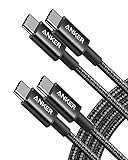
| USB-C or Lightning cable in good condition | Used for a gentle charging test after cleaning. | No |
| Wall charger or charging station | A known-good power source helps distinguish a dirty port from a faulty adapter. | Yes |
A basic wooden toothpick and flashlight are usually enough. Do not use sewing needles, SIM-eject tools, paper clips, tweezers, knives, or any other metal object. Avoid liquids, rubbing alcohol, cotton swabs that shed fibers, and household vacuum attachments.
As an Amazon Associate we earn from qualifying purchases at no extra cost to you. Product prices and availability are accurate as of the date shown and are subject to change.


Step-by-Step
-
Unplug the iPhone and power it off (1 minute)
Disconnect the charging cable and remove any case that blocks your view of the port. Turn the iPhone completely off rather than merely locking the screen. If the phone is hot, wet, or showing a liquid-detection alert, leave it unplugged and allow it to dry in a well-ventilated area before cleaning. Never insert a tool into a powered or actively charging phone.
-
Inspect the port with a flashlight (1–2 minutes)
Hold the flashlight at an angle and look into the opening. Identify whether the material is loose dust or a dense gray-and-black plug of lint. Check the cable as well; grime on its connector can be transferred back into a clean port.
Do not try to remove a part that looks like a fixed internal component. USB-C ports contain a central tongue, while Lightning ports have exposed contact areas. Your goal is to lift debris from the bottom and side walls, not to scrape the contacts.
-
Brush away loose debris (30 seconds–1 minute)
Use a small, dry, soft-bristle brush at the mouth of the port. Hold the phone with the port facing downward and make short, gentle strokes outward. Do not push the brush deep into the opening or twist it against the interior.
A clean, soft artist’s brush can work well. Avoid a stiff toothbrush, abrasive brush, or brush with loose bristles. If the debris is packed tightly, stop brushing rather than applying more force.
-
Loosen compacted lint with a wooden or plastic pick (2–5 minutes)
Keep the phone’s port facing downward. Use the narrow edge of a wooden toothpick or plastic pick to gently trace one side wall, then the other. Work from the back of the port toward the opening with tiny outward motions. Think of lifting a plug, not digging into the phone.
Use very light pressure. Make several passes instead of one forceful pass, removing any visible material after each pass. Never lever against the center tongue of a USB-C port, scrape across electrical contacts, or push the pick farther than necessary. If the toothpick begins to splinter, replace it immediately.
-
Brush out the loosened material (30 seconds–1 minute)
Turn the phone so debris can fall away, then use the soft brush again at the opening. You can gently tap the phone’s side against your palm, but do not shake it aggressively. Inspect the port with the flashlight and repeat the brush-and-pick cycle only if you can clearly see more lint.
Stop after two or three careful cycles. Repeated probing creates more risk than benefit, especially if the visible debris does not move.
-
Clean and inspect the charging cable (1 minute)
Wipe the cable connector with a dry microfiber cloth. Examine it for bent metal, dark corrosion, cracks, or a loose housing. If the connector is damaged, replace the cable rather than inserting it into the phone. A cable can be dirty enough to prevent charging even when the port itself is clean.
-
Test charging carefully (2–5 minutes)
Turn the iPhone on and connect the known-good cable without forcing it. The plug should seat fully and feel reasonably stable. Begin with a reliable wall adapter, such as a USB-C power adapter rated around 20 watts, or use a compatible charging station. A dual-port USB-C charger typically costs about $7–$20, while a basic multi-device wireless charging station commonly costs about $15–$60.
Watch the phone for several minutes. It should begin charging without needing to be held at an angle, and the connector should not become unusually hot. Stop immediately if you smell burning, hear crackling, see a warning, or notice heat around the port. Wireless charging can be a temporary workaround, but it does not repair a damaged port.
Mistakes to Avoid
- Using metal tools: Metal can scratch contacts, bridge electrical connections, and cause an expensive repair.
- Spraying liquid into the port: Water, alcohol, contact cleaner, and disinfectant can damage internal components or leave residue.
- Blowing forcefully into the opening: Breath contains moisture. High-pressure canned air may drive debris deeper or damage delicate parts.
- Cleaning while the phone is plugged in: Disconnect the cable and power off the device first.
- Pushing debris inward: Keep the phone angled downward and use outward strokes.
- Forcing the cable: Resistance, wobbling, or a connector that will not seat fully indicates a problem that cleaning may not solve.
- Ignoring a wet-phone warning: Do not charge until the port and cable are fully dry. Heat sources such as hair dryers can damage seals and components.
How Often
There is no fixed cleaning schedule. Inspect the port every few months if you carry the phone in a pocket, work outdoors, or frequently place it on dusty surfaces. Clean it when the cable no longer seats fully, charging becomes intermittent, or visible lint appears. Avoid routine probing when the port is working normally.
Keep the phone in a clean pocket or small pouch, and avoid storing it with loose receipts, sand, makeup powder, or other fibrous materials. Wiping the cable connector once every few weeks can also reduce the amount of debris transferred into the port.
When to Call a Pro or Replace
Stop cleaning and seek professional service if the port looks bent, broken, corroded, burned, or contaminated with liquid. Professional help is also appropriate if the iPhone will not charge after trying a second known-good cable and power adapter, or if charging works only when the cable is held at a particular angle.
Do not continue using a port that becomes hot, produces a burning smell, causes repeated accessory warnings, or disconnects whenever the phone moves. A technician can inspect the port under magnification and determine whether it needs cleaning, repair, or replacement. If the iPhone charges reliably through a compatible wireless charger but not through its cable, the wired port or cable is likely the source of the problem.
FAQ
Can I use a toothpick to clean my iPhone charging port?
Yes, a clean wooden toothpick can loosen compacted lint when used gently and only near the opening. Keep the port facing downward, use outward strokes, and avoid the center tongue and contact areas. A plastic pick with a blunt, narrow tip is another option.
Can I use rubbing alcohol or water?
No. Do not pour, spray, or drip liquid into the charging port. Even a small amount can reach internal components, leave residue, or worsen corrosion. If the phone or cable is wet, disconnect it and let both dry naturally in a ventilated location before testing.
Why does my iPhone charge only at an angle?
Compacted lint may prevent the connector from seating completely, but a worn cable, bent connector, loose port, or internal damage can cause the same symptom. Try a different undamaged cable after cleaning. If the problem continues, have the phone inspected instead of repeatedly bending the cable.
Can wireless charging replace a damaged charging port?
It can provide a temporary way to recharge a compatible iPhone, but it does not fix the wired port. Wireless charging may be useful while arranging service or transferring data another way. If the phone becomes unusually warm or the battery behaves abnormally, stop charging and seek professional assistance.
Ready to decide? Our #1 pick for 2026 is the Bright LED flashlight.
Live price & availability on Amazon.





Write Your Review
No reviews yet. Be the first to share your experience!