
Quick answer: Our top pick in 2026 is the Basic wired USB-C charger — our #1 rated choice. See the full ranked comparison, alternatives and buying advice below.
The Short Answer
Yes, Qi2 charging is worth it if you own a Qi2-compatible phone and want the convenience of magnetic alignment; otherwise, a basic wired charger or standard Qi pad is usually the better value. The one condition is that your phone must support Qi2’s magnetic charging features, not merely wireless charging.
Qi2 is less about dramatically changing charging speed and more about making wireless charging reliable and easy to use. A Qi2 charger uses magnets to center your phone over the charging coil, helping it charge efficiently while keeping the phone in place. For many people, that solves the biggest annoyance with traditional wireless charging: placing the phone slightly off-center and discovering later that it barely charged.
As an Amazon Associate we earn from qualifying purchases at no extra cost to you. Product prices and availability are accurate as of the date shown and are subject to change.

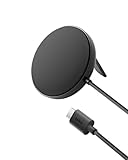
In 2026, Qi2 is becoming easier to find in phones, chargers, stands, battery packs, and car mounts. It still is not automatically the right choice for every household, though. Your phone’s compatibility, your charging habits, and whether you need an included power adapter matter more than the Qi2 label alone.
What You Actually Get
Qi2 is a wireless charging standard built around better alignment and more consistent power delivery. Most consumer Qi2 chargers offer up to 15 watts, although the actual speed depends on the phone, charger, cable, power adapter, temperature, and software. “Up to 15W” does not mean every phone will charge at 15W.
The magnetic ring is the most noticeable difference. When your phone or case has the appropriate magnetic ring, it snaps into the correct position rather than resting wherever you happen to place it. That makes a flat pad more dependable and enables useful designs such as kickstands, bedside stands, and car mounts.
Qi2 is not the same as simply putting any phone on a magnetic-looking charger. The phone needs Qi2 support for the full experience. Some cases add magnetic compatibility to otherwise compatible phones, but a case cannot always add Qi2 charging performance to a phone that does not support the standard.
Expect a small charging puck or pad, a USB-C cable, and sometimes no wall adapter. For example, the Belkin Qi2 15W Magnetic Wireless Charging Pad with Kickstand costs about $19.99 and is sold without an adapter. The Anker Zolo MagSafe-Compatible Wireless Charger with Qi2 15W Fast Charging is around $25.99. At these prices, remember to budget roughly $10 to $25 for a suitable USB-C power adapter if you do not already have one.
For a 15W charger, a 20W or higher USB-C adapter is a sensible minimum in most setups. A stronger adapter does not necessarily make your phone charge faster, but it gives the charger enough headroom. A phone may also reduce power as its battery fills or if the device becomes warm.
Pros
- Reliable alignment: The magnets center the phone over the charging coil, reducing missed charging sessions and inefficient positioning.
- Convenient one-handed use: You can place the phone on a stand or pad without searching for the exact charging spot.
- Useful desk and bedside designs: A kickstand can hold a phone upright for video calls, timers, notifications, or navigation while it charges.
- Up to 15W charging: Qi2 can be meaningfully faster than older basic wireless charging modes on supported phones, though results vary by model.
- Less connector wear: Wireless charging reduces the number of times you plug and unplug a USB-C or Lightning cable from the phone.
- Growing accessory ecosystem: The same magnetic system can work across charging pads, stands, battery packs, and car mounts.
- Reasonable entry price: Many reputable Qi2 chargers cost between $20 and $50, rather than requiring a premium accessory budget.
Cons
- Still slower than wired charging: A compatible wired charger can often deliver substantially more power, particularly when you need a quick battery boost.
- Heat can reduce efficiency: Wireless charging creates more heat than a direct cable connection in many situations. Thick cases, warm rooms, and gaming can make this more noticeable.
- Compatibility is not universal: Wireless charging support alone does not guarantee Qi2 support or magnetic attachment.
- Cases can interfere: Very thick cases, wallets, metal plates, and poorly positioned magnetic rings may weaken attachment or prevent charging.
- Power adapters may be extra: Some low-cost pads include only a cable, so the advertised price may not be the complete cost.
- Magnets are not magic: A phone can still slide off if the charger is moved, the case is incompatible, or the magnetic connection is weak.
- Potential overnight overbuying: If your phone charges beside your bed for eight hours, a $20 wired charger may accomplish the same basic task.
Who Should Buy It
Qi2 makes the most sense for people who charge in short, frequent sessions. If you regularly drop your phone on a desk between meetings, place it on a nightstand, or use a phone stand while working, the magnetic alignment is a genuine quality-of-life improvement.
It is also a good choice if you want one accessory ecosystem. A Qi2 pad at home, a stand at work, and a magnetic battery pack for travel can all use the same basic attachment system. People who dislike cable clutter may find the convenience worth paying a little more.
Buyers should also consider the complete setup rather than the charger alone. A $20 pad that needs a $20 adapter is effectively a $40 purchase. The Belkin pad is attractive if you already own a suitable USB-C adapter and want a compact kickstand. The Anker Zolo model is worth considering if its included cable, shape, or availability better fits your setup. Neither price guarantees faster charging than your phone allows.
Who Should Skip It
Skip Qi2 if your phone does not support magnetic Qi2 charging and you are not planning to replace it soon. A regular Qi pad may still charge the phone, but you will lose the central benefit: dependable magnetic alignment. You should also skip it if maximum speed is your priority. A wired USB-C charger is generally the better tool for quickly refilling a nearly empty battery.
Qi2 is not especially compelling for people who charge only overnight and already own a reliable cable. It may also be a poor fit if you use a thick rugged case, a wallet case, or a case containing metal. Those accessories can reduce magnetic strength or create charging problems.
Cheaper Alternatives
| Option | Cost | Trade-off |
|---|---|---|
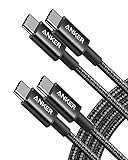
| Basic wired USB-C charger | $10–$25 | Usually faster and more efficient, but you must connect a cable every time. |
| Standard Qi wireless pad | $10–$20 | Less expensive, but it lacks Qi2 magnetic alignment and may offer lower phone-specific speeds. |
| Belkin Qi2 15W Magnetic Charging Pad with Kickstand | About $19.99 | Affordable magnetic charging and a stand, but no wall adapter is included. |
| Anker Zolo MagSafe-Compatible Qi2 15W Charger | About $25.99 | Compact and magnetic, but the total cost rises if you need to buy a USB-C adapter. |
| Existing phone-brand wireless charger | $20–$60 | May offer strong device compatibility, but brand-specific speed claims can limit flexibility. |
A basic wired charger is the true budget winner. If you want wireless convenience without magnets, a standard Qi pad is adequate for a desk or nightstand. The Qi2 models become the better value when you will use the magnetic alignment every day, rather than treating it as a feature you might occasionally try.
FAQ
Does Qi2 charge faster than regular wireless charging?
It can, but not in every case. Qi2 chargers commonly provide up to 15W, while older Qi charging may be limited to lower speeds depending on the phone and accessory. The phone sets the practical limit, and heat can slow charging. Check your phone’s specifications rather than assuming any Qi2 pad will deliver 15W.
Can I use a Qi2 charger with an iPhone or Android phone?
Compatibility depends on the exact model. Many recent iPhones support magnetic wireless charging, while Android support varies considerably by manufacturer and generation. A compatible magnetic case may help with attachment, but it does not guarantee that the phone supports the full Qi2 charging profile.
Do I need a special case for Qi2?
You need either a phone with built-in magnetic compatibility or a case with a correctly positioned magnetic ring. A normal nonmagnetic case may allow charging but provide little or no secure attachment. Wallets, metal inserts, and very thick cases can interfere with both the magnets and the charging coil.
Is Qi2 safe to leave charging overnight?
For a reputable, certified charger paired with a compatible phone and power adapter, overnight charging is generally a normal use case. The phone manages charging as the battery fills, though it may become warm. Keep the charger on a hard, ventilated surface and avoid covering it with bedding or placing it near heat sources.
Ready to decide? Our #1 pick for 2026 is the Basic wired USB-C charger.
Live price & availability on Amazon.



Write Your Review
No reviews yet. Be the first to share your experience!