
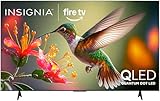
- Top Pick: INSIGNIA 75" Class F50 Series LED 4K UHD Smart Fire TV, Voice Remote with Alexa, Stream Live TV Without Cable
- Best Value: INSIGNIA 75-inch Class QF Series LED 4K UHD QLED Smart Fire TV with Alexa Voice Remote (NS75-UQFL26)
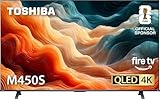
- Premium Choice: TOSHIBA 75" Class M450 Series QLED 4K UHD Smart Fire TV, Voice Remote with Alexa, Stream Live TV Without Cable
The best cheap 75 inch TV for most buyers in 2026 is the TCL Q7 (Q750G) or Hisense U7N, because they deliver the best balance of brightness, local dimming, 120Hz gaming performance, and smart features for around $700 to $900, while ultra-budget models like the TCL Q6 and Samsung CU8000 save money but trade away brightness and HDMI 2.1 gaming features.
- What “Cheap” Actually Gets You at 75 Inches in 2026
- Spec Comparison: Top Affordable 75-Inch Models
- Decision Matrix: Which Cheap 75-Inch TV Fits Your Situation
- Will a 75-Inch TV Fit? Do This 2-Minute Calculation First
- Gaming and Smart Platform Differences That Matter
- Durability and Ownership Realities for Large Budget TVs
- Final Picks by Budget
- FAQ
As an Amazon Associate we earn from qualifying purchases at no extra cost to you.


What “Cheap” Actually Gets You at 75 Inches in 2026
A 75-inch TV is no longer a premium-only size. In 2026, the market splits into three clear tiers:
- Ultra-budget ($500 – $650): TCL Q6 / Q651G, Hisense A65H, Samsung CU8000, LG UT8000. Typically 60Hz panels, limited local dimming or edge-lit, peak brightness around 300-400 nits, solid for bright room SDR and streaming but weak for HDR impact.
- Value sweet spot ($650 – $900): TCL Q7, Hisense U7N, Hisense U6N. This is where the best cheap 75 inch TV actually lives. Full-array local dimming, 600-1000+ nits, native 120Hz to 144Hz panels, HDMI 2.1 with VRR and ALLM.
- Upper-budget ($900 – $1,200): TCL QM7, Hisense U8N, Samsung Q70D. Near-premium brightness of 1500+ nits and more dimming zones, often worth it if you watch a lot of HDR movies or game in a bright living room.
- Below $500, most 75-inch options use older VA panels with very narrow viewing angles and no wide color gamut, which negates the benefit of the larger screen for HDR content.
Spec Comparison: Top Affordable 75-Inch Models
Specs matter more at 75 inches because flaws like low brightness and poor uniformity are magnified. Use this table to see where the value really comes from:
| Model (75-inch) | Panel / Dimming | Peak Brightness (approx.) | Refresh Rate | Gaming Ports | Weight w/ Stand | Smart Platform |
|---|---|---|---|---|---|---|
| TCL Q7 (Q750G) | QLED VA / Full-Array 200+ zones | 1,000 – 1,200 nits | 120Hz native, 240Hz VRR | 2x HDMI 2.1 (4K 120Hz, VRR, ALLM) | ~68 lbs / 30.8 kg | Google TV |
| Hisense U7N | QLED VA / Full-Array 300+ zones | 1,200 – 1,500 nits | 144Hz native | 2x HDMI 2.1 (4K 144Hz, VRR, FreeSync) | ~71 lbs / 32.2 kg | Google TV / Vidaa |
| TCL Q6 (Q651G) | QLED VA / Direct Lit (60 zones) | 350 – 500 nits | 60Hz native, 120Hz VRR | 1x HDMI 2.0 (4K 60Hz), VRR via HDMI 2.0 | ~61 lbs / 27.7 kg | Google TV |
| Samsung CU8000 / DU8000 | Crystal UHD VA / Edge Lit | 300 – 400 nits | 60Hz native | No HDMI 2.1, 1x eARC | ~66 lbs / 29.9 kg | Tizen |
| LG QNED80T | QNED IPS / Edge Lit Local Dimming | 450 – 550 nits | 120Hz native | 2x HDMI 2.1 (4K 120Hz) | ~72 lbs / 32.7 kg | webOS |
Takeaway: If you watch HDR movies or sports in a room with windows, the jump from 400 nits to 1000+ nits between the CU8000/Q6 and the Q7/U7N is the single biggest picture quality upgrade for the money. If you only watch at night in a dark room, you can save with the lower tier.
Decision Matrix: Which Cheap 75-Inch TV Fits Your Situation
Choose based on your room and use case, not just price:
| Your Situation | Best Match | Why |
|---|---|---|
| Bright living room, big windows, daytime sports and Netflix | Hisense U7N or TCL Q7 | High brightness + full-array dimming prevents washout; wide color gamut makes HDR actually visible. |
| PS5 / Xbox Series X / PC gaming priority | Hisense U7N or LG QNED80T | Native 120Hz/144Hz, low input lag under 10ms, VRR and ALLM on HDMI 2.1. Avoid 60Hz CU8000/Q6 if you want 120fps. |
| Tight budget, mostly streaming SDR at night | TCL Q6 or Samsung CU8000/DU8000 | You get the 75-inch size for the least money; HDR will be muted but SDR is fine in a dark room. |
| Wide seating, people viewing from the side | LG QNED80T (IPS) | IPS keeps color from washing out at wide angles, though contrast is lower than VA. Add bias lighting to help. |
| Want simple smart TV with least setup | TCL Q6/Q7 (Google TV) or Samsung CU8000 (Tizen) | Google TV and Tizen have the broadest app coverage and easy voice search. Roku TV versions of TCL/Hisense are also excellent for simplicity. |
Will a 75-Inch TV Fit? Do This 2-Minute Calculation First
A 75-inch 16:9 TV is not 75 inches wide. Do the math before you buy to avoid returns.
1. Check wall and stand size
A 75-inch screen measures about 65.3 inches wide x 36.7 inches tall without the stand. With feet, most models are 66 to 68 inches wide and require a stand that is at least 60 inches wide. If your media console is 50 inches wide, the feet will overhang. Look for models with adjustable center-position feet (TCL Q7 and Hisense U7N both offer this) or plan for a VESA wall mount (400x400mm is standard for this size).
2. Calculate viewing distance
For a 75-inch 4K TV, the sweet spot is 8 to 11 feet from eyes to screen. Formula: Viewing Distance (inches) / 1.6 = Recommended screen size. Example: If your couch is 9 feet (108 inches) away, 108 / 1.6 = 67.5 inches. A 75-inch screen will feel immersive but not overwhelming. If you sit closer than 7 feet, a 65-inch is more comfortable for long sessions.
3. Check weight and power
75-inch cheap TVs weigh 61 to 72 lbs with stand and 58 to 66 lbs without. Use a stud-mounted wall bracket rated for at least 100 lbs, with lag bolts into two studs. Power draw is 180-280 watts at typical brightness, about $20-$35 per year at 5 hours per day depending on your energy rate.
Gaming and Smart Platform Differences That Matter
At 75 inches, gaming features have outsized impact. Input lag on all models above is now under 15ms in Game Mode, but only the 120Hz models support 4K at 120Hz from consoles and PCs. If you play competitive shooters, prioritize the Hisense U7N or TCL Q7 with two full-bandwidth HDMI 2.1 ports. The Samsung CU8000 and TCL Q6 will cap at 4K 60Hz, which is fine for casual gaming but wastes the capability of current consoles.
For smart platforms: Google TV (TCL, Hisense) offers the largest app library and strong Google Assistant integration, plus Apple AirPlay 2 and Chromecast. Samsung Tizen and LG webOS offer excellent AirPlay 2, HomeKit, and very fast app switching but push more platform ads on the home screen. Roku TV (available on some TCL and Hisense budget models) remains the simplest to use if you want a no-clutter interface. All platforms support Netflix, YouTube, Disney+, Max, Hulu, and Apple TV in 4K HDR, but check for Dolby Vision support if you watch Netflix HDR – Samsung models do not support Dolby Vision and use HDR10+ instead.
Durability and Ownership Realities for Large Budget TVs
Large cheap TVs have specific wear points that are not obvious in a store listing:
- What wears first: Power supply boards and local dimming backlights. On edge-lit models like the CU8000, uneven backlight aging can show as brighter edges after 3-4 years of heavy high-brightness use. Full-array models distribute heat better.
- Panel uniformity: VA panels can develop mild DSE (dirty screen effect) visible on panning sports shots. It is present from the factory and does not get better with use – check for it within your return window using a gray or soccer field test video.
- Cleaning mistakes to avoid: Never spray cleaner directly on the screen. The anti-reflective coating on QLEDs strips easily. Use a dry microfiber cloth, or lightly dampen the cloth with distilled water. Never use paper towels, Windex, or alcohol.
- Screen care at 75 inches: The panel flexes more than a 55-inch. Always lift with two people gripping the frame, not the screen, and never lay it flat for transport. Pressure marks from a single finger push can become permanent.
- Warranty coverage: Most cheap 75-inch TVs include only a 1-year parts and labor warranty. TCL and Hisense typically offer 1 year, Samsung and LG the same. Extended warranty from the retailer for burn-in is irrelevant for LCD/QLED (burn-in is an OLED issue), but coverage for backlight failure after year one can be valuable on a 75-inch due to replacement cost. Keep your box for 30-60 days if possible – return shipping without original packaging is often refused.
- Energy and heat: At 75 inches, running at maximum backlight in a hot, enclosed cabinet can shorten LED life. Leave 4 inches of ventilation behind the set and avoid mounting directly above a heat source.
Final Picks by Budget
Best Overall Value: TCL Q7 or Hisense U7N
If you can stretch to $700-$900, either model gives you true HDR brightness, local dimming, and HDMI 2.1 gaming that makes a 75-inch screen worth owning for the next 4-5 years. The Hisense U7N is typically brighter, the TCL Q7 often has slightly better out-of-the-box color accuracy.
Cheapest Good Option: TCL Q6
When every dollar counts and you watch mostly at night, the Q6 gives you QLED color and Google TV smarts for the lowest entry price to 75 inches. Just understand you are giving up real HDR punch and 120Hz gaming.
Best for Bright Rooms on a Budget: Hisense U6N
Sits between the Q6 and Q7 in price, with better brightness (600-700 nits) and more dimming zones than ultra-budget models, making it a smart compromise if the Q7/U7N are just out of reach.
For most living rooms in 2026, spending the extra $150-$200 to move from the ultra-budget tier to the Q7/U7N tier is the highest-value upgrade you can make in a cheap 75-inch TV. You get the size and the performance to actually use it.
FAQ
Is a 75-inch TV too big for an apartment?
Not if you sit 8+ feet away and can accommodate the 65-inch width. In small apartments where the couch is 6-7 feet away, a 65-inch is more comfortable and easier to move through doorways and elevators.
Do I need a soundbar with a cheap 75-inch TV?
Yes, if you want dialogue clarity. Thin chassis designs leave little room for speakers, and all models in this price range have weak bass and narrow soundstage. Even a basic 2.1 soundbar significantly improves the experience.
Is QLED worth it over Crystal UHD / standard LED at this size?
Yes for color volume and brightness. QLED models in this range cover 90%+ of DCI-P3 color versus about 75-80% for Crystal UHD, which is noticeable in HDR nature and animated content.
Ready to decide? Our #1 pick for 2026 is the TCL Q7 (Q750G).
Live price & availability on Amazon.



Write Your Review
No reviews yet. Be the first to share your experience!