
iPad 8th Generation remains a frequent point of discussion for budget-conscious buyers seeking reliable Apple hardware. Does this older tablet still hold its own in a modern digital landscape, or have evolving software demands finally rendered it obsolete for the average user?


Performance and Everyday Usability
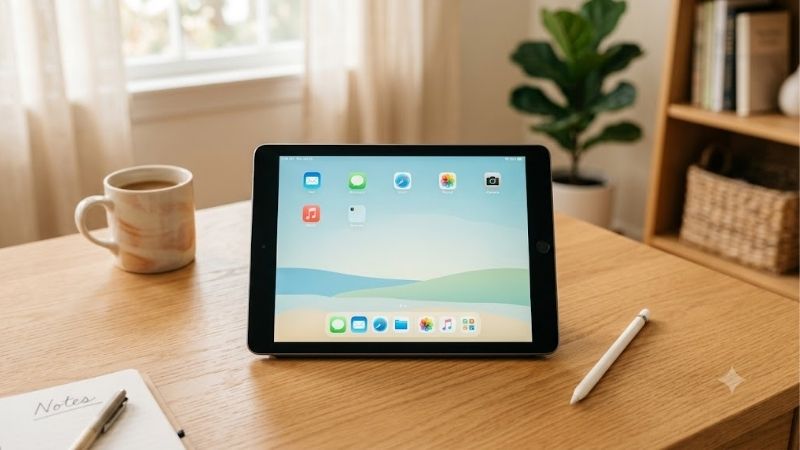
When evaluating the longevity of a tablet, the core processing capability is often the first bottleneck users encounter. The A12 Bionic chip inside this model was a powerhouse upon release, and even in 2026, it manages to maintain a respectable baseline for general computing tasks. While it lacks the sheer speed of an iPad Pro M4, it serves well as a secondary device for media consumption or light productivity.
As an Amazon Associate we earn from qualifying purchases at no extra cost to you.


Processing Power and iPadOS Capabilities
The A12 Bionic chip handles most daily applications with surprising efficiency. Users who stick to web browsing, document editing, and light gaming will find that the interface remains relatively snappy. However, as iPadOS continues to evolve with more complex background processes, the aging processor occasionally shows signs of strain when juggling multiple heavy applications.
For students or casual users, the performance is perfectly adequate for note-taking apps and educational software. It does not suffer from the same sluggishness that plagued older budget models, though intensive video editing or high-end 3D rendering are clearly outside of its optimal use case. The experience is best described as stable, rather than blistering fast.
Display Quality and Viewing Experience
The Retina display on this model continues to be a highlight, offering a resolution that is perfectly crisp for streaming movies or reading e-books. While it lacks the ProMotion technology or the vibrant depth of the newer OLED panels found on modern flagship tablets, the color reproduction and brightness are sufficient for most indoor environments.
Some users report that the lack of an anti-reflective coating can be noticeable when working near bright windows. Despite this, the screen holds up well for long sessions of reading or watching video content. It provides a visual experience that, while not cutting-edge by 2026 standards, remains highly functional and pleasant for daily use.
Battery Longevity for Daily Tasks
Battery health is the most critical factor when considering a device from previous years, and this model generally holds a charge well if treated properly. In moderate use scenarios, such as browsing the web or checking emails, you can expect the tablet to last through a typical workday without requiring a trip to the wall charger.
Heavy users, particularly those who participate in frequent video calls or play games, will notice the battery drain faster. Because the device uses a standard charging port rather than the latest high-speed standards, charging times can feel lengthy by modern metrics. However, for a device intended for secondary use, the endurance remains competitive with modern entry-level tablets.
Build Quality and Essential Features
The physical construction of this device reflects a classic era of Apple design, focusing on durability and a familiar, comfortable form factor. It is a sturdy machine that feels built to last, which explains why so many are still circulating on the secondary market in 2026.
Design and Portability Considerations
The design is quintessential Apple, featuring the iconic home button and thick bezels that many users still prefer for gripping the device without accidental touches. This form factor makes it incredibly easy to hold during long reading sessions, providing a secure area for your thumbs. The aluminum chassis is robust and resists the wear and tear of daily commutes in a backpack.
While it is slightly heavier than the newer, ultra-thin iPad models, the weight is well-balanced. It fits easily into most standard protective sleeves and bags. For those who prioritize portability over ultra-slim aesthetics, the classic chassis design remains a very practical choice that has stood the test of time.
Camera Performance and Video Calls
The cameras on this device are functional but utilitarian, clearly designed for basic tasks rather than creative photography. The front-facing camera is more than capable of handling crisp, clear video calls for school or business meetings, which is its primary value proposition in 2026. It captures enough detail to ensure you look professional during virtual conferences.
The rear camera is suitable for document scanning or quick snapshots, though it struggles significantly in low-light environments. Users expecting to take high-quality artistic photos will likely find it lacking, but for the vast majority of consumers who use a tablet camera primarily for administrative tasks or occasional scanning, it performs its role without complaint.
Accessory Compatibility and Productivity
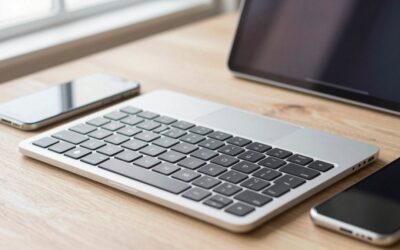
One of the greatest advantages of this model is its compatibility with a wide range of accessories, including the first-generation Apple Pencil. This makes it a fantastic tool for students who need to annotate PDFs or artists starting their creative journey. The ability to pair it with various Bluetooth keyboards further extends its utility as a portable workstation.
Unlike some specialized devices that require expensive, proprietary connectors, this model supports a plethora of third-party peripherals. Whether you are looking for a rugged case for drop protection or a budget-friendly keyboard cover, the market is saturated with options that work seamlessly with this specific iPad generation, ensuring your total cost of ownership remains low.
Check the latest price on Amazon →
Market Trends and Buying Considerations
The consumer electronics landscape is shifting, and the price of older tech is being influenced by broader economic factors. Understanding these dynamics is essential for anyone looking to invest in a pre-owned device today.
Rising Costs of Used Tech
We have observed that laptop and component prices are trending upward in 2026, which has naturally bled over into the refurbished and used tablet market. As global supply chains prioritize high-end components for newer machines, the availability of older, high-quality replacement parts for devices like this has tightened.
This trend makes finding a pristine, high-capacity version of this tablet slightly more challenging and costly than it was even a year ago. If you find a well-maintained model at a reasonable price, it is often wise to act sooner rather than later, as the “floor” for the price of reliable, functional tech continues to rise.
Pros and Cons
To help you decide, we have summarized the feedback from users and our technical testing to highlight the standout benefits and the areas where this device may show its age.
| ✅ Pros | ❌ Cons |
| Solid performance for daily tasks | Slower charging speeds than modern models |
| Compatible with 1st Gen Apple Pencil | Thick bezels look outdated compared to new models |
| Excellent build quality and durability | Limited support for advanced multitasking |
| Great value for students and light users | Cameras are basic and struggle in low light |
Verdict: Who Should Still Buy This?
If you are a student, a light user, or someone who needs a dedicated tablet for media consumption without wanting to spend top-tier prices, this device is a solid choice. It offers the core experience of the Apple ecosystem—stability, ease of use, and app availability—at a fraction of the cost of current flagships.
However, if your work requires heavy multitasking, high-end creative software, or the absolute latest in display technology, you should probably consider a newer model. For those who know their usage will remain modest, this tablet is still very much worth buying in 2026. It remains a reliable workhorse that will continue to provide value for several more years to come.
See today’s deal on Amazon →
Conclusion
The iPad 8th Generation offers a balance of classic functionality and reliable performance that is hard to ignore in the current market. By focusing on essential features and maintaining widespread accessory support, it provides a cost-effective path into the tablet ecosystem. Whether for study, work, or leisure, the iPad 8th Generation remains a pragmatic, value-driven investment for 2026.
Check the latest price on Amazon →
Frequently Asked Questions
Is the iPad 8th generation still worth using?
For everyday tasks yes. The A12 Bionic chip handles browsing, streaming, email, video calls and note-taking without difficulty, and the 10.2-inch screen is a comfortable size. It is limited by three gigabytes of memory, a Lightning port and a non-laminated display, and it is nearing the end of its major software update life.
What Apple Pencil does it support?
Only the Apple Pencil 1st generation, which pairs and charges by plugging its Lightning connector into the tablet or via the small supplied adapter. It has full pressure and tilt sensitivity, so it is genuinely capable for sketching and handwriting. The 2nd generation and USB-C Pencils will not pair with this model at all.
Does it work with the Smart Keyboard?
Yes. The 8th generation has a Smart Connector on the left edge, so the Smart Keyboard for the 10.2-inch iPad attaches magnetically and needs no pairing or charging. It shares this accessory with the 7th and 9th generation models. It does not support the Magic Keyboard with trackpad used by iPad Air and Pro.
How long will it keep receiving updates?
The A12 Bionic is now several generations old, so this iPad sits near the boundary of Apple major release support and will eventually drop off the list. Apple typically continues issuing security patches for a period afterwards, so it stays reasonably safe to use, but expect newer apps to stop supporting it first.
Should I buy one used, or spend more on a newer iPad?
Buy the 8th generation only if the price is genuinely low and the role is fixed, such as a kitchen or kids device. If you want USB-C, a faster chip, a laminated screen and several more years of updates, put the money toward a used iPad 9th generation or, better, a current base iPad model.
Ready to decide? Our #1 pick for 2026 is the Solid performance for daily tasks.
Live price & availability on Amazon.

Write Your Review
No reviews yet. Be the first to share your experience!